How I Keep My Coin Collection from Becoming a Costly Mistake
You love rare coins—not just for their history, but for the quiet promise of long-term value. I did too—until I overpaid for a "gem" that lost half its worth. That sting taught me: collecting isn’t just passion, it’s risk management. In this piece, I’ll walk you through the real moves that protect collectors like me—from spotting traps to timing exits—so your hobby builds wealth, not regrets. While many see coin collecting as a gentle pastime tucked between hobbies and heirlooms, the financial reality is sharper. Without careful planning, what begins as a joyful pursuit can quietly erode savings. The difference between a collection that grows in value and one that gathers dust lies not in luck, but in discipline, knowledge, and a clear-eyed approach to risk. This is not about chasing quick profits or treating coins like lottery tickets. It’s about making informed choices that honor both your emotional connection to the craft and your responsibility to long-term financial well-being. Let’s explore how to keep your collection a source of pride—not regret.
The Hidden Risks Behind a Seemingly Safe Hobby
Coin collecting is often viewed as a conservative alternative to volatile markets, a way to hold something real in an increasingly digital world. Unlike stocks that flicker on a screen or cryptocurrencies that hinge on code, a rare coin can be held, admired, and passed down. This tangibility breeds a sense of security, but it can also be misleading. Just because a coin is physical does not mean it is protected from loss. In fact, the very perception of safety can lead collectors into avoidable financial pitfalls. Many assume that rarity alone guarantees value, but the market tells a more complex story. A coin may be rare, but if demand is low or the grade is questionable, its worth can plummet overnight. The numismatic world has seen numerous cases where coins once considered prized possessions lost significant value due to shifts in collector interest, overgrading by third parties, or sudden influxes of previously unknown specimens entering the market.
Emotional attachment further clouds judgment. When a collector becomes deeply invested in a particular series—such as Lincoln cents or British sovereigns—it’s easy to overlook objective signals that the market may be cooling. This emotional bias can lead to overpaying during peak demand or holding onto coins long after their appreciation has stalled. The danger lies in mistaking personal significance for market value. A coin that carries sentimental weight may mean everything to its owner, but that meaning doesn’t translate into resale price. Additionally, counterfeit coins, while not rampant, do exist and pose a serious threat, especially as replication techniques grow more sophisticated. A counterfeit may pass casual inspection but fail under professional scrutiny, rendering a high-priced purchase worthless. Even when authenticity is assured, improper storage can silently degrade a coin’s condition. Exposure to humidity, air pollutants, or frequent handling can lead to toning, spotting, or surface wear—all of which diminish both aesthetic appeal and market value.
The truth is, coin collecting is not immune to financial risk. It is, in essence, an asset class with its own market dynamics, supply-demand curves, and liquidity challenges. Treating it as merely a hobby, without applying the same diligence one would to a financial investment, is a recipe for disappointment. Recognizing that every purchase carries potential downside is the first step toward smarter collecting. Just as an investor reviews a stock’s fundamentals before buying, a collector should evaluate a coin’s grade, provenance, market history, and long-term demand trends. This shift in mindset—from passive admirer to informed steward—forms the foundation of risk-aware collecting. Only when we acknowledge the vulnerabilities within this seemingly safe pursuit can we begin to build strategies that protect both our collections and our financial well-being.
Why Passion Needs a Price Tag (And a Reality Check)
Passion is the spark that draws people into coin collecting. The allure of history, the beauty of craftsmanship, and the thrill of discovery make the hobby deeply rewarding. For many, it’s a way to connect with the past, to hold a piece of a bygone era in the palm of their hand. But while passion fuels the journey, it can also derail sound decision-making if left unchecked. When emotion overrides analysis, collectors risk turning a joyful pastime into a financial burden. The danger lies in allowing personal attachment to dictate value. A coin may feature a beloved design or commemorate a meaningful event, but those qualities do not guarantee market appreciation. In fact, some of the most aesthetically appealing coins see little to no price growth because demand from other collectors remains low.
I learned this lesson the hard way with a set of early 20th-century U.S. gold coins. I was captivated by their intricate designs and historical significance. When I found a complete set in high grade, I paid a premium without thoroughly researching recent auction results or dealer pricing. Months later, when I considered selling one piece to fund another acquisition, I discovered that the market for that particular series had cooled. Resale offers were 30% below what I had paid. The coins were still beautiful, but their market value had not kept pace with my enthusiasm. This experience taught me that love for a coin should not be the sole driver of purchase decisions. Instead, every acquisition must be evaluated on its financial merits as well as its emotional appeal.
One effective strategy to balance passion with prudence is the concept of a “passion budget.” This is a predetermined limit on how much money you are willing to spend on emotionally driven purchases—coins you want because you love them, not because they are strong investments. By setting this boundary, collectors can enjoy the emotional rewards of the hobby without jeopardizing their broader financial goals. For example, you might allocate 20% of your annual collecting budget to “heart” purchases and reserve the remaining 80% for coins with stronger track records of appreciation, liquidity, or historical significance. This approach allows for joy without excess, ensuring that the hobby remains sustainable over time. It also encourages mindfulness, prompting collectors to ask not just whether they want a coin, but whether it fits within their larger collecting and financial strategy.
Another key is to recognize when sentiment is influencing decisions. Before making a purchase, it helps to step back and ask objective questions: Has this type of coin appreciated consistently over the past decade? Is there active demand from other collectors? Are recent auction prices stable or declining? Consulting price guides, tracking market trends, and seeking input from experienced collectors can provide valuable perspective. Passion should enhance collecting, not dominate it. When emotion is balanced with discipline, the hobby becomes not only more enjoyable but also more likely to yield long-term value. The goal is not to eliminate feeling from the process, but to ensure it doesn’t override reason. In this way, passion becomes a companion to wisdom, not its competitor.
Authentication: Your First Line of Defense
In the world of coin collecting, authenticity is not just important—it is everything. A coin’s value hinges on its genuineness, grade, and certification. Without verified authenticity, even the most visually striking piece can be worthless. I discovered this the hard way when I acquired what I believed to be a high-grade Morgan silver dollar certified by a reputable grading service. Excited by the find, I paid a significant sum, only to later learn through an independent review that the coin had been tampered with—the holder was genuine, but the coin inside had been substituted. The experience was both financially and emotionally jarring, but it underscored a critical truth: trust must be verified, not assumed.
Today, I only purchase coins that have been authenticated and encapsulated by top-tier third-party grading services such as the Professional Coin Grading Service (PCGS) or the Numismatic Guaranty Company (NGC). These organizations employ rigorous standards to assess a coin’s authenticity, condition, and originality. Their encapsulation process—sealing the coin in a tamper-evident holder with a unique serial number—provides a layer of protection against substitution and tampering. But even with these safeguards, due diligence is essential. I now routinely cross-check the serial numbers on slabs against the official databases maintained by PCGS and NGC to confirm that the coin in the holder matches the one originally graded. This simple step has prevented me from falling victim to sophisticated frauds involving recycled or altered holders.
Authentication is not just about avoiding counterfeits; it also ensures accurate grading. A coin’s grade can dramatically affect its value—a single point difference on the Sheldon scale can mean thousands of dollars in price variation. Misgrading, whether accidental or intentional, can lead to overpayment or undervaluation. That’s why it’s crucial to rely on consistent, reputable graders rather than dealer-assigned grades or uncertified assessments. While some collectors may be tempted by lower-priced uncertified coins, the risk often outweighs the savings. A coin without third-party certification may require additional authentication costs later, and its resale value will likely be discounted due to uncertainty.
Equally important is evaluating the seller’s credibility. Red flags include vague descriptions, pressure to buy quickly, lack of return policies, or reluctance to provide certification details. Reputable dealers provide clear photos, detailed grading information, and transparent provenance. Auction houses with strong track records and buyer protections offer another reliable avenue. Ultimately, authentication is the foundation of risk control in coin collecting. It transforms a speculative purchase into a verified asset. By making certification a non-negotiable requirement, collectors protect themselves from fraud, ensure accurate valuation, and maintain confidence in their holdings. In a market where trust is paramount, verification is not an extra step—it is the first and most essential one.
Diversification Beyond the Display Case
One of the most common mistakes collectors make is concentrating their investments in a single category—whether it’s a specific era, country, or metal type. This narrow focus may stem from personal interest, but it introduces significant financial risk. Just as a stock portfolio concentrated in one sector is vulnerable to market shifts, a coin collection built around a single theme can suffer when collector demand changes. I once made this error by dedicating nearly my entire budget to pre-1933 U.S. gold coins. While the collection was impressive and personally satisfying, it became increasingly illiquid when interest in that niche waned. For over a year, I struggled to sell even a single piece at a fair price. That stagnation prompted a strategic shift toward diversification.
Diversification in coin collecting means spreading investments across different types of coins to reduce exposure to any one market segment. This can include varying by metal—such as holding a mix of gold, silver, and platinum coins—by era, such as including both ancient and modern issues, or by geography, incorporating coins from multiple countries. For example, while U.S. coins may dominate domestic interest, European, Asian, or Latin American coins can offer exposure to different collector bases and economic environments. Modern commemoratives, bullion coins, and rare dates each serve different roles: bullion provides a hedge against inflation, rare dates offer potential appreciation, and commemoratives can attract niche collectors.
Another layer of diversification involves balancing physical holdings with other related assets. While the core of most collections remains tangible coins, supplementing with exposure to precious metals through exchange-traded funds (ETFs) or mining stocks can add stability. These instruments move with metal prices but don’t carry the same liquidity constraints as rare coins. They can also be sold quickly if cash is needed, providing a financial buffer. The key is to view the collection not in isolation, but as part of a broader financial picture. A well-diversified approach ensures that a downturn in one area doesn’t jeopardize the entire portfolio.
Diversification also improves long-term flexibility. When a collection includes a range of assets, it becomes easier to rebalance—selling pieces that have appreciated to acquire undervalued opportunities. It also enhances enjoyment, as exploring new areas of numismatics can renew enthusiasm and deepen knowledge. The goal is not to dilute passion, but to protect it. By reducing reliance on any single coin or category, collectors build resilience into their hobby, ensuring it remains both financially sound and personally fulfilling over time.
Timing the Market (Without Trying to Beat It)
Coin markets operate differently from stock exchanges. There is no real-time ticker, no instant execution, and no centralized pricing. Instead, values are shaped by auction results, dealer inventories, collector sentiment, and broader economic trends. This slow-moving nature can be both a challenge and an advantage. On one hand, it’s harder to pinpoint exact highs and lows. On the other, it reduces the pressure to act quickly, allowing for thoughtful, research-driven decisions. I’ve learned that successful timing isn’t about predicting the future—it’s about recognizing patterns, staying informed, and acting with discipline.
One of my most effective tools is tracking auction results from major houses like Heritage Auctions and Stack’s Bowers. By reviewing realized prices over time, I can identify trends—whether a particular series is gaining momentum or losing steam. For instance, if I notice that certified examples of a certain coin are consistently selling above estimate, it may signal rising demand. Conversely, repeated underperformance can indicate a cooling market. I also monitor dealer listings to see how long coins remain in inventory. A piece that sits unsold for months may be overpriced or losing appeal. These signals help me avoid buying at peaks and identify potential entry points when prices stabilize or dip.
Sentiment within the collecting community also matters. Online forums, collector newsletters, and numismatic events provide insight into what others are buying, selling, or avoiding. While I don’t follow the crowd blindly, shifts in collective interest often precede market movements. For example, growing enthusiasm for early American colonial coins has coincided with rising prices in that segment. By staying engaged, I can position myself early without chasing hype. Selling requires similar patience. I avoid panic-driven exits, even during broader economic downturns. Instead, I wait for strong offers that align with long-term value trends. This disciplined approach has helped me realize gains while avoiding emotional missteps.
The goal is not to time the market perfectly, but to improve timing incrementally. Even small advantages—buying slightly below peak or selling near a high—compound over time. By focusing on data, maintaining perspective, and resisting urgency, collectors can navigate market cycles with greater confidence. Timing is not about luck; it’s about preparation.
Storage, Insurance, and the Boring Stuff That Saves You
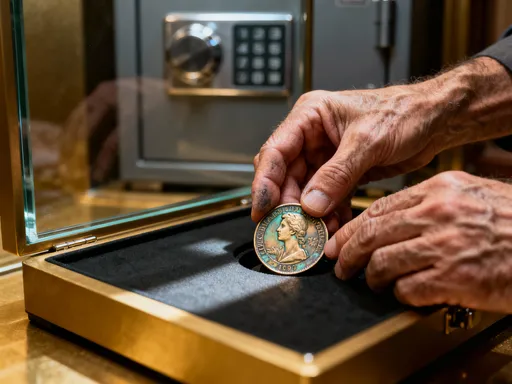
No matter how carefully selected or authenticated, a coin collection is only as secure as its protection plan. Fire, flood, theft, and environmental damage are real threats that can erase years of effort in moments. I learned this after a minor home incident—nothing catastrophic, but enough to make me reevaluate how I stored my most valuable pieces. What I once kept in a bedroom safe I now keep in a climate-controlled vault with off-site backups for my highest-grade coins. This shift wasn’t driven by paranoia, but by responsibility. A collection is not just a hobby—it’s an accumulation of time, effort, and capital that deserves proper safeguarding.
Storage begins with environment. Coins are sensitive to temperature fluctuations, humidity, and air pollutants. Exposure to moisture can lead to toning, spotting, or even corrosion, especially in copper and nickel alloys. I now use airtight containers with anti-tarnish strips and store them in a room with stable climate conditions. For long-term holdings, I avoid plastic flips that contain PVC, which can degrade and leave residues. Instead, I use inert archival sleeves and holders designed specifically for numismatic preservation. These may seem like small details, but they play a crucial role in maintaining both condition and value.
Insurance is equally critical. Standard homeowners’ policies often provide limited coverage for collectibles and may exclude high-value items altogether. I insure my core collection through specialized collectibles insurance that covers full appraised value, with provisions for theft, damage, and loss. Policies from providers familiar with numismatics understand the nuances of grading and replacement cost, ensuring that a claim reflects true market value. I also keep detailed records—photographs, grading certificates, purchase receipts, and appraisals—stored both physically and digitally. This documentation not only supports insurance claims but also simplifies future sales or estate planning.
Regular inventory tracking completes the protection framework. I conduct quarterly reviews, updating my catalog with any new acquisitions, sales, or changes in value. This practice keeps me aware of my collection’s composition and helps identify underperforming assets. Combined with professional appraisals every few years, it ensures that coverage remains adequate. These “boring” habits—storage, insurance, documentation—are the unsung heroes of risk management. They don’t add excitement, but they preserve everything that makes the hobby worthwhile.
Building a Collector’s Mindset: Discipline Over Desire
At its core, successful coin collecting is not about acquiring the rarest or most beautiful pieces—it’s about cultivating the right mindset. The most enduring collections are built not by impulse, but by intention. I now approach my hobby with the discipline of a side business: tracking every purchase, monitoring appreciation, and setting clear goals. Each quarter, I review my holdings, asking critical questions. Which coins have increased in value? Which have remained stagnant? Are there pieces I’m holding solely for emotional reasons? This routine transforms collecting from a passive activity into an active stewardship of assets.
Discipline means setting boundaries. I define annual budgets, establish criteria for acquisitions, and stick to them. I avoid bidding wars at auctions unless a coin fits my strategy. I also set exit targets—when a coin reaches a certain value, I consider selling a portion to lock in gains. This doesn’t diminish my enjoyment; it enhances it by ensuring the hobby remains sustainable. I still allow room for passion, but within a framework that protects my financial well-being.
Ultimately, the goal is balance. A collection should bring joy, but it shouldn’t come at the cost of peace of mind. By treating coins not just as objects of beauty, but as assets requiring care, verification, and strategy, collectors can build something that lasts—both in value and in legacy. The most valuable lesson I’ve learned is this: discipline isn’t the enemy of passion. It’s its guardian. When desire is guided by wisdom, a collection becomes more than a hobby. It becomes a legacy worth preserving.