Beyond the City: Astana’s Hidden Wild Side
You know what? Astana isn’t just futuristic skyscrapers and bold architecture. I stumbled upon something unexpected—vast natural escapes just beyond the capital’s edge. Think wide-open steppes, silent wetlands, and riverside trails where city noise fades. This is nature you gotta check out—untouched, authentic, and absolutely peaceful. And honestly, it’s a side of Kazakhstan most travelers never see. While many come for the striking skyline and modern landmarks, few realize that within minutes of downtown, the landscape opens into sweeping grasslands, winding rivers, and protected wilderness areas. These natural spaces offer more than scenic views—they provide a chance to breathe deeply, slow down, and reconnect with the quiet rhythm of the earth. For women who juggle family, work, and personal well-being, this kind of escape isn’t just a luxury; it’s a necessity. And Astana, surprisingly, delivers it in abundance.
Reimagining Astana: More Than a Concrete Capital
Astana, recently renamed Nur-Sultan before reverting to its historical name, stands as a symbol of modern Kazakhstan. Its skyline—dominated by the sweeping curves of the Bayterek Tower, the futuristic Khan Shatyr mall, and the angular Palace of Peace and Reconciliation—draws international attention for its bold architectural vision. Yet beyond the steel and glass lies a different kind of wonder: the vast, open steppe that has defined this region for centuries. Unlike many world capitals that swallow their surroundings in concrete and traffic, Astana maintains a delicate balance with nature. The city was built not to conquer the land, but to coexist with it. This unique duality makes it one of the few modern capitals where urban life and wild landscapes exist in close harmony.
The city's location in northern Kazakhstan places it in the heart of the Eurasian steppe, a biome that stretches across thousands of miles. This flat, grassy expanse is shaped by a continental climate—long, freezing winters and short, bright summers. These extremes influence not only the vegetation and wildlife but also how people interact with the outdoors. Residents of Astana have long valued access to open space, whether for weekend picnics, family hikes, or quiet reflection. Parks and green corridors were integrated into the city’s master plan from the beginning, reflecting a cultural respect for nature that runs deep in Kazakh tradition. The nomadic heritage of the region emphasizes mobility, simplicity, and living in tune with the seasons—all values that resonate with today’s growing desire for mindful, sustainable travel.
What makes Astana’s natural surroundings so special is their accessibility. You don’t need to travel for hours to find solitude. Within 15 minutes of the city center, the buildings thin out, and the horizon stretches endlessly. There are no fences, no entry gates—just open land waiting to be explored. This proximity allows city dwellers and visitors alike to step away from screens, schedules, and stress, even if only for an afternoon. For families, it’s a chance to teach children about nature firsthand. For women managing busy households, it’s an invitation to pause, breathe, and reclaim a sense of calm. Astana’s wild side isn’t an afterthought—it’s a vital part of what makes the city livable, beautiful, and deeply human.
The Steppe: Endless Horizons and Quiet Beauty
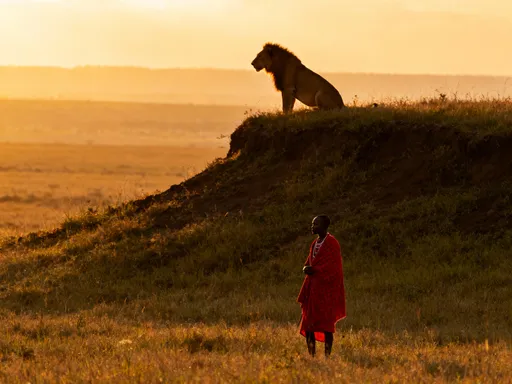
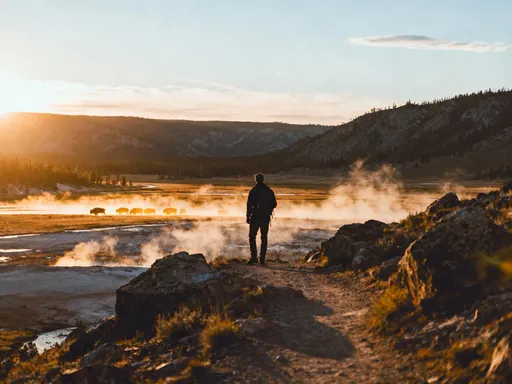
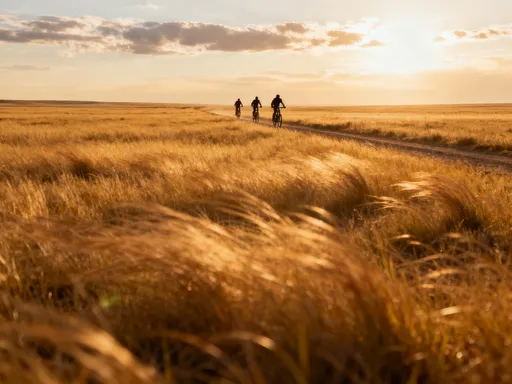
Just beyond the paved roads and residential zones, the Kazakh steppe unfolds in all directions—a sea of grass that ripples in the wind like water. This ecosystem, often misunderstood as barren or monotonous, is in fact rich with life and seasonal change. In spring, after the snow melts, wildflowers bloom in bursts of yellow, purple, and white. By summer, the plains turn golden, dotted with hardy shrubs and tufts of feather grass that sway in the breeze. Autumn brings a softer palette—ochre, russet, and silver—as the land prepares for winter’s deep freeze. Each season offers a different kind of beauty, a different mood, and a different reason to visit.
The steppe is not silent. Listen closely, and you’ll hear the rustle of grasshoppers, the distant call of larks, and the occasional cry of a steppe eagle circling overhead. Small mammals like susliks (a type of ground squirrel) dart between burrows, while foxes and hares move quietly at dawn and dusk. Birdwatchers will appreciate the diversity here—skylarks, meadow pipits, and even the rare great bustard can be spotted in the right conditions. The flora is equally resilient: plants like sagebrush, fescue grass, and wild thyme have adapted to survive drought, wind, and temperature swings. This is not a fragile environment, but a tough, enduring one—much like the women who travel here seeking strength and renewal.
Exploring the steppe requires a shift in mindset. There are no marked trails, no visitor centers, and few signs. You won’t find cafes or restrooms—just open space and sky. That’s part of its appeal. For those accustomed to structured itineraries and curated experiences, the steppe offers something rare: true freedom. You can walk in any direction, sit quietly on a rise, or simply lie back and watch the clouds drift. It’s a place to unplug, to reflect, to feel small in the best possible way. But preparation is key. The wind can be strong, even in summer, so windproof layers are essential. A hat, sunscreen, and plenty of water should always be in your bag. A basic map or GPS device is wise, especially if you plan to venture far from the road. And while the steppe feels empty, it’s important to respect it—avoid driving off-road, don’t leave trash, and never start fires.
For many women, especially those in caregiving roles, the steppe offers a rare gift: solitude. It’s a place where you don’t have to be anyone’s mother, wife, or employee. You’re just a person, standing under an endless sky, feeling the wind on your face. That kind of experience can be quietly transformative. It reminds you of your own resilience, your own place in the larger world. The steppe doesn’t demand anything of you—it simply is. And sometimes, that’s exactly what you need.
Ishim River Green Belt: Nature in the City’s Backyard
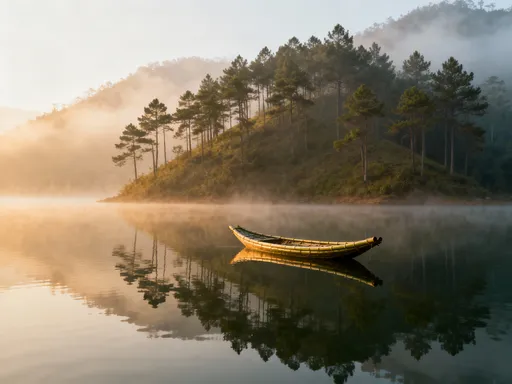
If the steppe feels too remote for a quick escape, the Ishim River Green Belt offers a perfect alternative. This lush corridor follows the winding path of the Ishim River as it cuts through Astana, creating a ribbon of green that runs right through the heart of the city. Unlike formal parks with manicured lawns and playgrounds, this area preserves a semi-wild character. Native reeds line the banks, willow trees shade the paths, and patches of wetland provide habitat for birds and insects. It’s a living ecosystem, not a landscaped garden—and that’s what makes it so special.
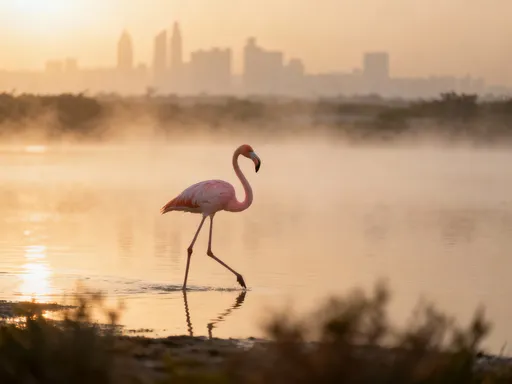
On any given weekend, you’ll see families strolling along the dirt and gravel paths, couples biking hand-in-hand, and joggers moving steadily under the open sky. Picnic areas with wooden benches and simple grills are scattered throughout, making it easy to spend a full day outdoors. In spring and summer, the air fills with the scent of blooming meadowsweet and the sound of frogs croaking at dusk. Birdwatchers might catch sight of grey herons stalking fish in shallow water, kingfishers diving with a flash of blue, or flocks of migratory ducks resting during their long journeys. The river itself is calm and slow-moving, reflecting the sky like a mirror on still days.
One of the best things about the Ishim Green Belt is its accessibility. You can reach it by public bus, taxi, or even on foot if you’re staying in central Astana. There are multiple entry points, so you can choose a quieter stretch or a more social one depending on your mood. For mothers with young children, it’s a safe, open space where kids can run, explore, and learn about nature without the noise and pollution of the city. For older women, it’s a peaceful place for a morning walk or an afternoon read on a bench. The paths are mostly flat and well-maintained, making them suitable for all fitness levels.
What’s most striking is how this green space blends recreation with conservation. While people enjoy the area, the ecosystem remains protected. There are signs reminding visitors to stay on the paths, not to feed the animals, and to take all trash with them. Local environmental groups organize clean-up days and educational walks, helping to foster a culture of stewardship. This balance—between use and protection—is a model for how cities can grow without sacrificing nature. The Ishim River Green Belt isn’t just a park; it’s a statement that urban life and wild beauty can coexist, and that access to nature is a right, not a privilege.
Kokshetau National Park: A Day Trip to True Wilderness
For those ready to go deeper, Kokshetau National Park offers a full immersion into Kazakhstan’s natural heritage. Located about 300 kilometers north of Astana, this protected area is a world apart from the flat steppe. Here, ancient granite hills rise from the earth, forested slopes roll into clear lakes, and the air feels cooler, cleaner, and more alive. Established in 1996, the park covers over 800 square kilometers and is home to a rich diversity of plant and animal life. It’s a place where you can hike through pine forests, swim in crystal-clear waters, and camp under stars so bright they seem close enough to touch.
The park’s landscape is shaped by glacial activity from thousands of years ago. Smooth, rounded hills—called “kukes” in Kazakh—are covered in birch, aspen, and pine forests. Lakes like Zerendi, Burabay, and Kopa are nestled between the hills, their shores lined with sandy beaches and rocky outcrops. These lakes are not only beautiful but ecologically important, supporting fish, amphibians, and waterfowl. The forests provide shelter for elk, roe deer, wild boar, and even the elusive lynx. Birdwatchers may spot golden eagles, owls, and woodpeckers among the trees. In spring, the forest floor comes alive with wildflowers; in autumn, the leaves turn brilliant shades of red and gold.
Hiking is one of the most popular activities here, with trails ranging from easy lakeside loops to more challenging climbs. The path to the top of Koskuduk Hill, for example, offers panoramic views of the surrounding lakes and forests—a perfect spot for a quiet moment of reflection. Kayaking and swimming are popular in summer, while winter brings opportunities for cross-country skiing and snowshoeing. The park has basic infrastructure: designated camping areas, guesthouses, and picnic zones. While amenities are simple, they’re sufficient for a restful stay. There are no luxury resorts here—just honest, unpretentious access to nature.
As a protected area, Kokshetau follows strict conservation rules. Visitors are required to stay on marked trails, avoid making open fires, and carry out all waste. These rules aren’t meant to restrict enjoyment but to preserve the park for future generations. For women who care deeply about sustainability and the legacy we leave for our children, this kind of responsible tourism is deeply meaningful. A visit to Kokshetau isn’t just a vacation; it’s a commitment to protecting the wild places that nourish the soul. And for those who feel overwhelmed by the pace of modern life, this park offers a powerful reminder: nature heals, restores, and renews.
Seasonal Secrets: When and How to Visit
Timing your visit to Astana’s natural areas can make all the difference in your experience. Each season reveals a different facet of the landscape, offering unique opportunities for connection and exploration. Summer, from June to August, is the most popular time to visit. The days are long, the temperatures mild, and the steppe and forests are at their most vibrant. This is ideal for hiking, biking, and swimming in the lakes. Mornings are cool and refreshing, while afternoons offer warm sunshine perfect for picnics and outdoor relaxation. It’s also the best time for families, as school is out and schedules are more flexible.
Spring, from May to early June, brings a quieter kind of beauty. The snow has melted, the grass is green, and wildflowers are in bloom. However, the ground can be muddy, especially after rain, so waterproof boots are recommended. This season is perfect for birdwatching, as migratory species return and the wetlands come alive with activity. Autumn, from September to October, offers crisp air, golden light, and fewer crowds. The changing leaves in Kokshetau create a stunning visual display, making it a favorite time for photographers and nature lovers. The cooler temperatures are ideal for long walks and contemplative moments in the open air.
Winter, from November to March, transforms the landscape into a serene, snow-covered expanse. While the cold can be intense—often dropping below -20°C—it also brings unique opportunities. Cross-country skiing and snowshoeing are popular ways to explore the steppe and forest trails. The silence of a snowy field, broken only by the crunch of boots on snow, can be deeply calming. Some visitors find winter to be the most peaceful time to connect with nature, free from distractions and noise. However, proper gear is essential: thermal layers, insulated boots, gloves, and a warm hat are non-negotiable. Regardless of the season, it’s wise to check weather forecasts, pack extra layers, and carry water and navigation tools, especially when venturing beyond well-marked areas.
Getting There and Getting Around: Practical Tips
Reaching Astana’s natural areas is easier than many travelers expect. The city is served by Nursultan Nazarbayev International Airport, with direct flights from major cities across Europe, the Middle East, and Asia. Once in Astana, public buses and taxis provide reliable access to the Ishim River Green Belt and nearby steppe access points. For those planning to visit Kokshetau National Park, renting a car offers the most flexibility. The drive takes about four to five hours on well-maintained roads, and having your own vehicle allows you to explore at your own pace. Alternatively, several local tour operators offer organized day trips or weekend excursions, which can be a great option for solo travelers or those unfamiliar with the region.
While GPS works well in most areas, mobile signal can be spotty in remote parts of the steppe or deep within the national park. To stay safe and oriented, it’s a good idea to download offline maps before heading out. Paper maps are also available at local tourism offices, which can provide up-to-date information on trail conditions, weather alerts, and safety guidelines. Many women appreciate the peace of mind that comes with being well-prepared, especially when traveling with children or in unfamiliar environments.
When exploring these natural areas, it’s important to follow eco-friendly practices. The “Leave No Trace” principles are especially relevant here: pack out all trash, avoid disturbing wildlife, stick to established paths, and respect local customs. These lands are not just scenic backdrops—they are living ecosystems that support biodiversity and cultural heritage. By traveling responsibly, you help ensure they remain pristine for future generations. Simple actions—like carrying a reusable water bottle, avoiding single-use plastics, and choosing low-impact activities—make a meaningful difference.
Why These Hidden Natural Areas Matter
Astana’s surrounding natural spaces are more than scenic escapes—they are vital to the well-being of people and the planet. In a world where cities grow taller and lives grow busier, these quiet landscapes offer a rare opportunity to slow down, breathe deeply, and reconnect with what matters. For women who often carry the emotional and practical weight of family life, access to open, peaceful spaces is not a luxury—it’s a form of self-care. Studies have shown that time in nature reduces stress, improves mood, and enhances mental clarity. These benefits are not abstract; they are real, tangible, and deeply needed.
But these areas matter beyond personal well-being. They are part of Kazakhstan’s ecological and cultural identity. The steppe, the rivers, the forests—these are the landscapes that shaped the nation’s history, from ancient nomadic traditions to modern environmental awareness. Protecting them is not just about conservation; it’s about preserving a way of life, a connection to the land that runs deep in the national soul. Eco-tourism, when done responsibly, supports local economies, creates jobs, and funds conservation efforts. It allows visitors to contribute positively while gaining a deeper understanding of the country.
As global urbanization accelerates, places like Astana’s wild outskirts remind us of what we stand to lose—and what we can still protect. They are a testament to the possibility of balance: a modern city that honors its natural surroundings, a society that values both progress and preservation. For travelers, stepping into these landscapes is more than sightseeing. It’s a journey into the heart of Kazakhstan—a chance to see the country not just as a destination, but as a living, breathing entity shaped by wind, water, and time.
So next time you think of Astana, don’t just picture glass towers and futuristic domes. Picture wind-swept grasslands where silence speaks louder than words. Picture the shimmer of the Ishim River under a summer sun. Picture forested hills and clear lakes waiting just a few hours away. This is Kazakhstan’s quiet side—its wild, open, unspoiled soul. And it’s waiting to be discovered by those who seek not just to see the world, but to feel it.