Paradise Through the Lens: Why Tahiti’s Views Are a Photographer’s Dream
Tahiti isn’t just a destination—it’s a visual symphony. From turquoise lagoons that glow like liquid gemstones to emerald mountains vanishing into mist, every glance feels like a masterpiece. I came for the escape, but stayed for the views. Whether you're chasing golden-hour reflections or dramatic coastal cliffs, Tahiti delivers moments so vivid, you’ll swear they’re filtered. But here’s the truth: it’s not just about the camera settings—it’s about where to stand, when to wait, and how to feel the scene before pressing capture. This is a place where light dances on water, where nature paints in hues no editing software can replicate, and where every turn reveals a composition begging to be framed.
The First Glimpse: Arriving in Tahiti with a Photographer’s Eyes
The journey to Tahiti begins long before your feet touch the sand—it starts in the air. As the plane descends toward Faa’a International Airport on Tahiti Nui, the first sight is unforgettable: a jagged emerald crown rising from an endless sapphire sea. The volcanic peaks, cloaked in dense rainforest, emerge like ancient sentinels from the clouds. To the northwest, the silhouette of Moorea peeks above the horizon, its twin peaks—Tohiea and Rotui—standing like guardians of the Society Islands. For a photographer, this aerial panorama is not just a prelude—it’s the opening chapter of a visual narrative.
What makes this first view so powerful is the sheer contrast. Deep ocean trenches plunge thousands of meters just beyond the reef, creating a dramatic shift from navy blue to radiant turquoise as sunlight filters through shallow lagoons. This natural palette is amplified by the clarity of the air and the purity of the light, unfiltered by pollution or urban haze. The island’s geography—a high volcanic core surrounded by coral atolls—creates a three-dimensional canvas ideal for layered compositions. Even from 10,000 feet, the interplay of shadow and reflection sets the stage for compelling photography.
Timing your arrival can elevate this experience. Early morning landings offer soft, diffused light that enhances the island’s contours without harsh contrast. Late afternoon arrivals, meanwhile, bathe the peaks in golden hour warmth, especially effective when shooting from the west-facing side of the island. While you can’t control your flight schedule, being prepared with a clean lens, charged battery, and a sense of anticipation makes all the difference. The first glimpse is often the most emotionally charged—capturing it is less about perfection and more about presence.
Photographers should also consider mindset upon arrival. It’s tempting to rush into shooting, but taking a moment to absorb the scene allows for more intentional framing. The human eye perceives depth and motion differently than a lens, so observing how light moves across the water or how clouds drift around mountain ridges helps anticipate the best shots. This initial phase isn’t just about documentation—it’s about forming a connection with the landscape, a prerequisite for authentic visual storytelling.
Why Tahiti Stands Out: The Unique Blend of Light, Water, and Landscape
Tahiti’s visual magic lies in the rare convergence of three elements: light, water, and terrain. Few places on Earth combine such intense tropical illumination with crystal-clear lagoons and dramatic volcanic topography. The result is a natural environment where color is amplified, reflections are mirror-perfect, and shadows carry emotional weight. These conditions don’t just enhance photography—they redefine what’s possible in a single frame.
The island’s position near the equator means sunlight strikes at a near-vertical angle for much of the year, producing strong, direct light. While this can create challenges with contrast, it also generates vibrant saturation, particularly in the blues and greens of the marine environment. When the sun is high, shallow lagoons act like natural light boxes, with sunlight penetrating the water and reflecting off white sand bottoms. This refraction creates surreal gradients—shades of aquamarine, peacock blue, and jade—layered like oil paints on canvas. Photographers familiar with post-processing will recognize these tones as nearly impossible to replicate artificially.
Equally important is the clarity of the water. Protected by outer coral reefs, Tahiti’s lagoons remain calm and sediment-free, allowing visibility of up to 30 meters. This transparency enables unique underwater compositions, such as shooting upward from below to capture both reef life and the sky above. Surface reflections at dawn or dusk can double the visual impact, turning a simple shoreline into a symmetrical masterpiece. Using a polarizing filter helps reduce glare and deepen color, especially when photographing into the sun or across rippled surfaces.
The volcanic landscape adds vertical drama. Unlike flat atolls, Tahiti’s interior is shaped by ancient eruptions, resulting in steep ridges, deep valleys, and waterfalls that cascade down moss-covered cliffs. These features create natural leading lines and focal points, guiding the viewer’s eye through the image. Cloud cover, often forming around the peaks in the afternoon, adds dynamic texture—rolling mist can partially obscure summits, lending a sense of mystery and scale. Understanding how these elements interact allows photographers to anticipate moments of visual harmony, such as when a break in the clouds illuminates a valley just as the tide recedes, revealing a patterned reef floor.
Top Scenic Vistas for Breathtaking Shots
For photographers seeking iconic views, Tahiti offers a curated selection of vantage points where nature’s grandeur unfolds in full clarity. Each location provides a distinct perspective, shaped by elevation, exposure, and surrounding terrain. Knowing where to go—and when—can mean the difference between a good shot and a once-in-a-lifetime image.
One of the most revered viewpoints is the summit of Mount Aorai, located just south of Papeete. At 1,331 meters, it offers a 360-degree panorama of Tahiti Nui, the surrounding lagoon, and neighboring islands on clear days. The ascent requires a guided tour due to protected forest trails, but the reward is unparalleled. From this height, the curvature of the island becomes visible, with ribbons of water weaving through valleys like silver veins. Early morning visits are ideal, as rising heat from the valley often draws clouds later in the day, obscuring the view. A wide-angle lens captures the vastness, while a telephoto can isolate distant peaks or sailboats gliding across the horizon.
Another must-visit is the Papeeno Valley, often called the “Valley of the Kings” for its historical significance and breathtaking scenery. The road winding through the valley offers multiple pull-offs with framed compositions—towering cliffs draped in ferns, banana plantations stretching to the sea, and the occasional waterfall glistening in the distance. The mid-morning light here is particularly effective, casting long shadows that emphasize texture in the rock faces. Because the valley runs east-west, the northern slopes remain shaded in the afternoon, making morning the optimal time for balanced exposure.
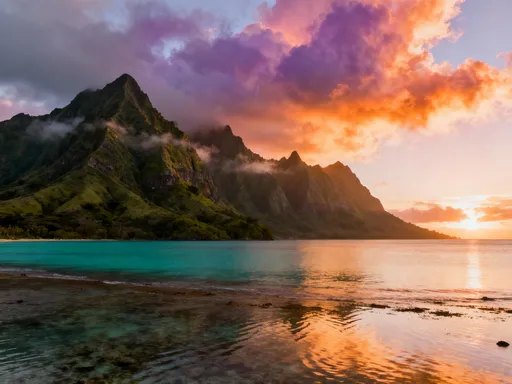
For coastal drama, the lookouts on Moorea provide some of the most photographed scenes in French Polynesia. Belvedere Lookout, accessible by car, overlooks Opunohu Bay with its twin motu (small islets) and horseshoe-shaped reef. The view combines jungle-covered peaks with a tranquil lagoon, creating a layered composition that works in both vertical and horizontal formats. Sunset here transforms the sky into a gradient of coral and lavender, reflecting perfectly on the still water. A tripod is recommended for long exposures, especially when capturing the transition from dusk to twilight. While popular, the site remains well-maintained and safe, with clear pathways and railings.
Equally compelling are the lesser-known coastal trails near Papara and Teahupo’o, where black sand beaches meet powerful surf. These locations offer a contrast to the typical turquoise imagery, showcasing Tahiti’s raw, untamed side. The interplay of crashing waves, volcanic rock formations, and golden light at sunrise creates dynamic action shots. A fast shutter speed freezes the spray, while slower settings blur the motion into ethereal veils. These areas require caution due to strong currents and uneven terrain, but with proper footwear and awareness, they yield powerful, emotive images.
Chasing Light: How Time of Day Transforms the Landscape
In Tahiti, light is not a constant—it’s a living element that reshapes the island every hour. Photographers who understand its rhythm gain access to a spectrum of moods, from the hushed serenity of dawn to the bold contrasts of midday and the golden poetry of sunset. Each phase offers unique opportunities, and planning around the sun’s path can elevate a photo journey from random snapshots to a cohesive visual story.
Sunrise in Tahiti is a subtle, intimate affair. On the east-facing shores, the first light emerges slowly, often diffused by a thin layer of mist that hovers above the lagoon. This soft illumination wraps around mountain flanks, gradually revealing textures in the foliage and rock. The water, calm after a night of stillness, becomes a mirror, doubling the sky’s pastel hues. This is the ideal time for long-exposure shots, where a 10- to 30-second shutter speed smooths the surface into glass. Because temperatures are cooler and crowds absent, photographers can work without distraction, fine-tuning composition and focus in peace.
Midday light, often avoided in tropical photography, can be surprisingly effective in Tahiti. While the sun is high and shadows are short, this is when the lagoon’s color reaches its peak intensity. The absence of cloud cover allows full penetration of sunlight, making coral patterns and sand ripples visible from above. Drone photography thrives at this time, capturing geometric designs in the reef that are invisible at ground level. For ground-level shots, using a polarizer minimizes surface glare and enhances underwater detail. While harsh light can flatten features, strategic use of shadows—such as photographing a palm grove with dappled light on the forest floor—adds depth and contrast.
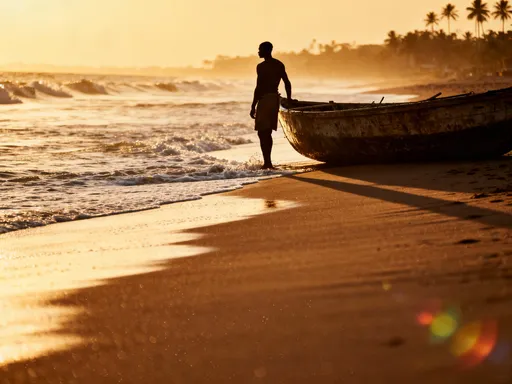
Sunset, however, remains the most celebrated moment. On the western coastlines, the sun dips below the horizon with a quiet grandeur, painting the sky in warm tones that reflect across the water. The mountains, now in silhouette, gain a rim of fire along their edges. This is prime time for color-rich compositions, especially when combined with foreground elements like outrigger canoes, swaying palms, or local fishermen returning from the day’s catch. Apps like PhotoPills or Sun Seeker help predict the sun’s angle and golden hour duration, allowing photographers to arrive early and scout the best angles. Even after the sun disappears, the “blue hour” that follows offers a cool, even light perfect for cityscapes or harbor scenes in Papeete.
Tides also influence light’s impact. During low tide, expansive reef flats are exposed, creating natural leading lines and texture-rich foregrounds. High tide, on the other hand, fills lagoons to their fullest, enhancing reflections and allowing boats to glide closer to shore. Combining tide charts with sunrise and sunset times enables precise planning—such as capturing a full reflection of Mount Rotui at dawn during peak high tide. These details separate casual shooters from those who create enduring images.
Beyond the Postcard: Capturing Authentic, Unfiltered Moments
While Tahiti’s grand vistas dominate postcards and travel brochures, the island’s true character often reveals itself in quieter, more intimate moments. These scenes—unstaged, unhurried, and deeply human—add emotional depth to any photo collection. They remind us that travel is not just about landscapes, but about connection, rhythm, and the poetry of everyday life.
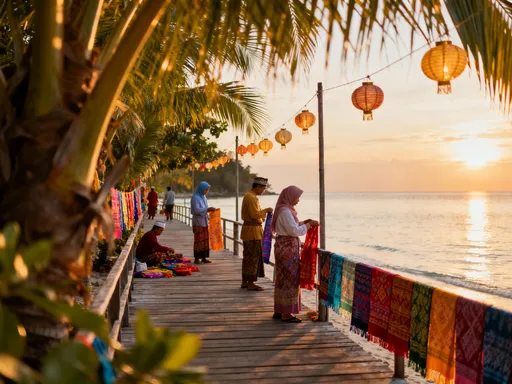
One of the most rewarding subjects is the local market in Papeete. Open-air and vibrant, it’s a sensory feast of color, scent, and sound. Stalls overflow with tropical fruits—passionfruit, mangoes, and noni—arranged in bright mosaics. Women in traditional pareo dresses weave through the aisles, while vendors call out prices in Tahitian and French. Photographing here requires sensitivity. Rather than snapping candid shots from a distance, a simple smile and a nod can open the door to permission. Many locals welcome respectful photography, especially when accompanied by a brief conversation or purchase. These interactions yield images that are not just visually rich, but culturally meaningful.
Equally compelling are the quiet village shores, where life unfolds at a gentle pace. Children play in shallow water, elders mend fishing nets, and canoes rest on the sand between voyages. These scenes are not performative—they are lived. To capture them authentically, photographers should linger, observe, and wait for natural moments rather than staging them. A wide aperture can isolate a single subject, such as a wrinkled hand knotting a rope, while a deeper depth of field shows the broader context of community and environment.
Rainforest trails, too, offer unfiltered encounters. Paths leading to hidden waterfalls or ancient marae (sacred sites) are often quiet, with only the sound of birds and rustling leaves. Here, the focus shifts from grandeur to detail—the drip of water on a leaf, the pattern of moss on volcanic rock, the way light filters through dense canopy. Macro photography flourishes in these conditions, revealing textures and colors invisible to the casual observer. These images, though smaller in scale, often carry greater emotional resonance, evoking a sense of stillness and reverence.
Respect is the guiding principle. Tahitian culture values harmony and hospitality, and photography should reflect that. Avoid intrusive zooms, especially in sacred or private spaces. When in doubt, ask. The act of seeking permission not only produces better images—it builds trust and mutual appreciation. These moments, though fleeting, often become the most cherished, not just for the viewer, but for the photographer who experienced them fully.
Practical Tips for Elevating Your Visual Experience
Great photography in Tahiti is not solely about talent or equipment—it’s also about preparation and habit. The island’s tropical climate, while beautiful, presents real challenges for gear and workflow. Humidity, salt spray, and sudden rain can damage electronics if not managed properly. Yet with a few smart practices, photographers can protect their tools and maximize their creative output.
A dry bag is essential, especially when traveling by boat or near the shore. Even a brief splash can compromise a camera, so keeping gear sealed when not in use is critical. Silica gel packs placed inside camera bags help absorb moisture overnight. For lenses, using UV or protective filters not only safeguards the front element but also simplifies cleaning after exposure to sea spray. A microfiber cloth should always be within reach, as fingerprints and water spots are common in humid conditions.
The polarizing filter remains one of the most valuable tools in Tahiti. It reduces glare on water and glass, deepens sky contrast, and enhances color saturation—especially in lagoon shots. Rotating the filter while viewing through the lens allows real-time adjustment, helping achieve the desired balance between reflection and clarity. For smartphone users, clip-on polarizers are available and surprisingly effective, though a dedicated camera still offers superior dynamic range and manual control.
Photographers should also consider the role of non-technical habits. Keeping a small journal to note light conditions, tide times, and personal impressions can inform future shots. Returning to the same location at different times of day reveals how a single scene transforms—what was flat at noon may become magical at dawn. This practice fosters mindfulness and deepens one’s relationship with the environment.
Battery life is another practical concern. Continuous shooting, GPS use, and screen brightness drain power quickly. Carrying spare batteries and a portable charger ensures uninterrupted workflow. Solar-powered chargers, while slower, are reliable in Tahiti’s abundant sunlight and eco-friendly for extended trips. Finally, backing up images regularly—either to a portable hard drive or cloud storage—protects against loss due to equipment failure or theft.
From Capture to Memory: Why These Views Stay With You
Photographing Tahiti is more than a technical exercise—it’s an act of preservation and presence. Each image captured is not just a record of a place, but a vessel for emotion, memory, and personal transformation. The lagoons, the peaks, the quiet moments—they become part of the photographer’s inner landscape, recalled not just in albums, but in dreams.
What makes these views linger is their sensory richness. The sound of waves, the scent of frangipani, the feel of warm sand—all are encoded alongside the visual. When we press the shutter, we are not merely taking a photo; we are anchoring a moment in time, one that can be revisited long after the journey ends. Studies in cognitive psychology suggest that visual documentation enhances memory retention, making travel experiences more vivid and enduring. In this way, photography becomes a form of mindfulness, drawing us deeper into the present rather than distancing us from it.
Yet there is wisdom in balance. While it’s natural to want to capture everything, some moments are meant to be experienced without a lens. Watching a sunset with unfiltered eyes, listening to the rhythm of the tide, feeling the breeze on your skin—these are the impressions that settle into the soul. The most powerful images often come from photographers who know when to put the camera down and simply be.
Ultimately, Tahiti teaches us that beauty is not just seen—it is felt. Its views stay with us because they resonate on a human level, reminding us of wonder, stillness, and connection. Whether preserved in a gallery or held in the heart, these images serve as quiet invitations—to return, to reflect, to see the world with renewed eyes. And perhaps, that is the greatest photograph of all: the one that changes how we see everything else.