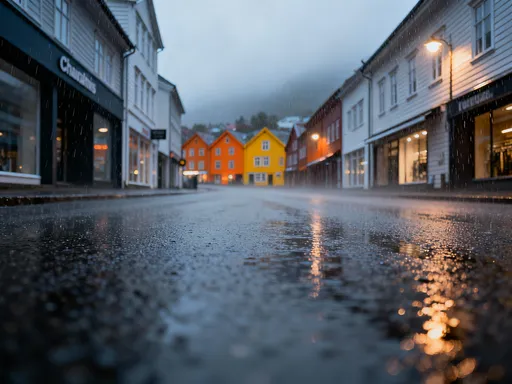
Lost in the Wrong Part of Stavanger? Here’s Where Not to Wander
Strolling through Stavanger, you might expect cobbled charm and fjord views around every corner—but not all neighborhoods deliver. I learned this the hard way. Some streets feel hollow, others oddly disconnected from the city’s soul. This isn’t just about bad coffee or closed shops; it’s about wasted time. If you're chasing authenticity, skip the bland zones and head straight to the pockets where locals actually live, eat, and hang out. The real heartbeat of Stavanger doesn’t always pulse where guidebooks point. It hides in plain sight, behind unassuming facades and quiet corners where daily life unfolds without performance.
The Postcard vs. the Reality: Stavanger’s Two Faces
Stavanger presents two distinct identities to the world—one polished, picturesque, and carefully curated for visitors; the other, more subdued, shaped by modern planning and suburban sprawl. The city’s postcard image features whitewashed wooden houses, historic churches, and panoramic waterfronts, all centered around Gamle Stavanger and the harbor. These areas are undeniably charming, rich with heritage and human scale. But step beyond them, and the urban landscape shifts—sometimes subtly, sometimes abruptly—into zones where the atmosphere thins and the sense of place dissolves.
Many travelers, lured by efficient signage or GPS directions, find themselves in parts of the city that feel impersonal and underwhelming. These are districts designed with function in mind—traffic flow, parking access, commercial zoning—rather than human experience. Wide boulevards, glass-fronted office buildings, and chain-store corridors dominate. While not unsafe or unpleasant, they lack the texture and warmth that make a city memorable. The danger isn’t danger at all—it’s disconnection. You can walk for blocks without seeing a child on a bicycle, a neighbor waving from a porch, or a shopkeeper arranging fresh flowers in the window.
What defines the soul of a place? It’s not just architecture or scenery, but presence—the feeling that people belong there, that life is lived, not staged. In Stavanger, this presence is concentrated in specific neighborhoods where streets are narrow, buildings low, and daily routines visible. These are the areas where residents linger over morning coffee, where dogs are walked on cobbled lanes, and where bakeries open early with the scent of cinnamon buns drifting into the air. By contrast, the less engaging zones often suffer from poor walkability, limited mixed-use development, and a lack of street-level activity after business hours. They serve a purpose, but they don’t invite exploration.
City Blocks That Feel Alive—And Those That Don’t
The difference between a vibrant block and a lifeless one isn’t always obvious on a map. It reveals itself through the senses. In Sentrum, the central district, the rhythm of the city is palpable. Foot traffic flows steadily. Cafes spill onto sidewalks, their tables occupied by readers, friends chatting, or remote workers with laptops. Independent boutiques display handmade goods in their windows. The air carries a mix of roasted coffee, rain-dampened pavement, and the occasional whiff of sea breeze from the nearby harbor. There’s a hum—not loud, but constant—of conversation, bicycle bells, and the occasional street musician tuning a guitar.
Compare this to areas like Forus or parts of Hillevåg, where the urban fabric feels stretched thin. These neighborhoods, developed largely in the late 20th century, prioritize car access over pedestrian comfort. Wide roads separate buildings, parking lots dominate open spaces, and retail is clustered in shopping centers rather than woven into the street grid. At midday, there may be movement—commuters, delivery vans, shoppers—but it’s transactional, not social. People arrive, complete a task, and leave. There are few places to sit, few reasons to stay. Shop fronts are often national or international chains—pharmacies, fast-casual eateries, telecom outlets—offering consistency but little local character.
Evening amplifies the contrast. In Sentrum and Østlenen, restaurants fill with diners, and couples stroll arm-in-arm along tree-lined avenues. Streetlights cast a warm glow, and windows glow with interior light. In the more car-dependent zones, the same streets grow quiet, even desolate. Offices close, parking lots empty, and the absence of residential density means few people live nearby to animate the night. The energy doesn’t shift—it vanishes. This isn’t a flaw, necessarily, but it’s a signal: if you’re seeking connection and atmosphere, these areas won’t provide it.
Why Urban Design Matters More Than You Think
Most visitors don’t consider urban planning when choosing where to explore, yet it shapes their experience more than any guidebook. The feel of a neighborhood—whether it invites wandering or repels it—is largely determined by design choices made decades ago. Stavanger’s most engaging areas, like Gamle Stavanger and parts of Sentrum, were built before the age of automobiles. Their streets are narrow, blocks small, and buildings close to the sidewalk. This creates a human-scale environment where eye contact is possible, where you can overhear snippets of conversation, and where the architecture frames views rather than blocks them.
These districts benefit from what urban planners call "fine-grained" development—mixed uses, varied building ages, and a high density of entrances and windows. This variety supports foot traffic and encourages chance encounters. A resident might pop out to buy bread, then stop to chat with a neighbor outside a florist. A visitor might pause to admire a painted door or peek into a courtyard garden. The environment feels alive because it’s designed for people, not vehicles.
By contrast, areas developed from the 1960s onward often reflect a car-centric model. Wide roads, large setbacks, and single-use zoning break the continuity of the street. Buildings are isolated, surrounded by parking or landscaping that discourages lingering. Pedestrian paths, if they exist, are indirect or poorly lit. This design reduces walkability and weakens the social fabric. Even if such areas have modern amenities, they fail to generate the organic buzz that makes a place memorable. While some cities have retrofitted these zones with parks or bike lanes, Stavanger’s suburban districts remain largely unchanged in their fundamental layout.
The lesson for travelers is subtle but powerful: follow the design. If streets are narrow, interconnected, and lined with active ground-floor uses, you’re likely in a place worth exploring. If you’re walking past blank walls, parking structures, or wide intersections with timed crosswalks, you’re in a zone shaped by efficiency, not experience. This isn’t to dismiss these areas entirely—they serve residents and workers—but they rarely offer the depth of engagement that visitors seek.
Following the Locals: Where Real Life Happens
One of the most reliable ways to find authentic neighborhoods is to observe where locals spend their time. Not tourists, not business travelers, but residents going about their daily routines. In Stavanger, these patterns are visible if you know where to look. Watch for schoolchildren walking in groups, accompanied by parents in raincoats. Notice the flow of grocery shoppers carrying reusable bags from independent markets. Look for benches occupied by retirees reading newspapers or dog owners chatting while their pets sniff the grass.
Rådhusgata, the street leading to the city hall, is a prime example of a local hub. Though not far from the tourist center, it feels distinct in its everyday rhythm. Morning brings a steady stream of office workers stopping at small cafes for takeaway coffee. By midday, residents from nearby apartments visit bakeries, bookshops, and specialty food stores. The street’s mix of uses—commercial, civic, and residential—creates a natural flow of activity throughout the day. Unlike tourist-heavy zones that peak in the afternoon, Rådhusgata hums with purpose from early morning to late afternoon.
Weekends reveal other patterns. In neighborhoods like Tjensvoll, local markets draw families looking for fresh produce, handmade crafts, and hot drinks from pop-up stands. These are not staged events for visitors but regular community gatherings. The presence of children’s bikes, strollers, and picnic blankets signals a place where people come to connect, not just consume. Even the pace is different—slower, more relaxed, with time for conversation.
Another clue is the presence of everyday infrastructure: laundromats, neighborhood libraries, playgrounds, and small parks. These are not tourist attractions, but they are essential to local life. A park with a well-used swing set, a chalk-drawn hopscotch grid, or a soccer game in progress is a strong indicator of a living, breathing community. In contrast, plazas with ornamental fountains but no seating, or playgrounds that feel isolated and underused, suggest a space designed more for appearance than use.
The Tourist Trap Blocks (And How to Spot Them Early)
Some parts of Stavanger wear their tourist function openly, and that’s not inherently negative. The harbor area, with its museums and scenic walks, welcomes visitors and does so well. But there are other zones where the experience feels manufactured, where the offerings are generic, and where the absence of local life is glaring. These are the areas to navigate with awareness, not necessarily to avoid entirely, but to recognize for what they are.
One red flag is the concentration of souvenir shops selling identical items—troll figurines, Viking-themed mugs, embroidered mittens—often at inflated prices. While these can be fun for gifts, their dominance signals a street designed for extraction, not exchange. Another sign is the prevalence of chain restaurants with international menus, especially those with multilingual signage and picture-heavy menus. These establishments cater to transient crowds, not local tastes.
Empty plazas are another tell. A wide open space near the train station or a business district may look impressive on a map, but if it’s devoid of people outside rush hour, it’s unlikely to offer meaningful interaction. These spaces are often designed for large events or ceremonial use, not daily life. Similarly, blocks dominated by hotels, especially those without ground-floor retail or public access, create dead zones at street level. After check-in and check-out times, there’s little reason for anyone to linger.
Timing matters. Some areas come alive only during weekdays, when office workers fill cafes and shops. By evening or weekend, they fall silent. This isn’t a flaw, but it’s important to recognize if you’re seeking atmosphere. A business district at 8 AM may feel energetic; the same streets at 7 PM may feel abandoned. The key is alignment—match your visit to the rhythm of the place.
Smart Navigation: Mapping Your Stavanger Stroll
Navigating Stavanger wisely means balancing guidance with intuition. Digital maps are invaluable, but they don’t always distinguish between a lively street and a functional corridor. GPS may route you through a wide avenue with heavy traffic because it’s the shortest path, even if it’s unpleasant to walk. To avoid these pitfalls, use offline maps to study the urban fabric before setting out. Look for clusters of mixed storefronts, pedestrian-only zones, and green spaces that suggest human activity.
Start your exploration in areas known for their walkability. Gamle Stavanger is an ideal launch point—historic, compact, and rich with sensory detail. From there, let your curiosity guide you. Follow streets that slope gently toward the water, or those lined with trees and benches. Notice where foot traffic naturally converges. If you see multiple people walking dogs, carrying shopping bags, or stopping to talk, you’re likely on a path that locals use.
Pay attention to street names and signage. Older, more established neighborhoods often have names that reflect local history or geography—names like Øvre Strandgate or Skagen. Newer developments may have more generic labels—"Business Park," "North Zone," or numbered streets—that lack character. This isn’t a hard rule, but it can be a subtle clue.
Timing your visit enhances the experience. Mornings reveal the city’s routines—bakeries opening, commuters heading to work, school runs in progress. Late afternoons and early evenings bring a different energy, especially in residential-commercial hybrids like Rådhusgata or parts of Hillevåg that have evolved organically. Weekends offer access to markets, community events, and family outings in parks. Avoid midday in the summer if you prefer fewer crowds, or embrace it if you want to see the city at its busiest.
Finally, trust your instincts. If a street feels cold, overly wide, or disconnected from surrounding areas, it’s okay to turn back. If a corner café smells of fresh bread and has customers laughing inside, step in. The best moments in travel often come from deviation, from following a hunch rather than a route.
Reclaiming the Urban Pulse: A Better Way to Experience Stavanger
Stavanger is more than a collection of sights to check off a list. It’s a living city, shaped by history, geography, and the daily rhythms of its people. To experience it fully is not to see everything, but to feel something—to sense the pulse of ordinary life in its streets, cafes, and neighborhoods. The goal isn’t perfection, but presence. It’s about finding those moments when you’re not just observing, but participating, even briefly, in the flow of a place.
The wrong parts of Stavanger aren’t dangerous or unpleasant—they’re simply neutral. They serve functions, support infrastructure, and house workers and residents in ways that matter. But for the visitor seeking connection, they offer little. The right parts—the ones with narrow lanes, local shops, and the sound of children playing—are where the city reveals itself. These are not always the most photographed, but they are the most felt.
So walk slowly. Pause often. Let the city speak to you through its details: the color of a painted door, the pattern of footprints on a rainy sidewalk, the way light falls on a quiet square at dusk. These are the signs of authenticity, not because they’re picturesque, but because they’re real. They exist not for the camera, but for the people who live here.
In the end, the best way to know Stavanger is not through a map, but through a mindset—one of curiosity, openness, and respect for the everyday. Skip the hollow zones not out of disdain, but out of focus. Seek the places where life happens, where people belong, where the city breathes. Because the real Stavanger isn’t in the brochure. It’s in the rhythm of its streets, waiting to be felt by those who take the time to listen.