Island Magic Uncovered: Where Long Beach’s Hidden Worlds Come Alive
You know that feeling when a place just gets you? Long Beach Island isn’t just sun and sand—it’s layered, alive, and full of secrets. I didn’t expect to fall this hard. From untouched coves to local hangouts with soul, every corner tells a story. This isn’t your average beach run. Let’s dive into the real magic: the themed zones that make this island unforgettable. Trust me, you’ve only seen the surface.
Beyond the Postcard: Redefining Long Beach Island
Long Beach Island, often abbreviated as LBI, stretches about 18 miles along the New Jersey coastline, yet it feels worlds away from the mainland’s pace and pressures. To the casual observer, it may appear as one continuous ribbon of shoreline, dotted with beach houses and lifeguard stands. But beneath that postcard-perfect surface lies a richly textured destination, carefully divided not by official borders, but by character, culture, and coastal energy. Each segment of the island—from the quiet northern reaches to the spirited central towns and the wild southern tip—offers a distinct experience shaped by history, ecology, and community.
Understanding these thematic zones transforms a visit from a generic seaside escape into a deeply personal journey. A family seeking nostalgic boardwalk charm will find it in one town, while a couple craving solitude can disappear into dunes and dawn fog just a short bike ride away. The island’s diversity isn’t accidental; it’s the result of careful land use, seasonal rhythms, and a long-standing respect for both natural preservation and local identity. Unlike many coastal destinations that homogenize over time, LBI has preserved its patchwork soul—where one neighborhood’s clapboard cottages give way to another’s modern beachfront homes, and where nature reserves exist alongside century-old general stores.
Travelers who take the time to explore these differences discover that Long Beach Island is not a single destination but a collection of micro-worlds, each with its own heartbeat. Some areas buzz with summer energy—children chasing ice cream trucks, bicycles filling side streets, and piers alive with fishermen at dusk. Others remain hushed year-round, where the only footprints in the sand belong to shorebirds and early risers. Recognizing this mosaic allows visitors to align their stay with their true travel intentions: whether that’s reconnection, rejuvenation, or simply rediscovering the joy of slow, sun-drenched days.
Moreover, this thematic segmentation enhances accessibility. Because the island is narrow and well-connected by a single main road—Long Beach Boulevard—moving between zones is effortless. A morning spent in the cultural hub of Surf City can seamlessly transition into an afternoon of solitude in Barnegat Light. The compact geography encourages exploration without exhaustion, making LBI ideal for travelers who value variety within intimacy. It’s a place where you can experience both community and quietude in a single day, all while staying within a stone’s throw of the Atlantic.
The Heartbeat of Surf City: Classic Island Culture
If Long Beach Island has a cultural nucleus, it’s Surf City. Nestled near the island’s geographic center, this town pulses with a rhythm that feels both timeless and refreshingly present. Its downtown area, lined with weathered cedar shingles and striped awnings, is walkable, welcoming, and deeply rooted in tradition. Here, summer isn’t just a season—it’s a way of life, passed down through generations of families who return year after year to the same cottages, the same piers, the same routines that define island summers.
The heart of Surf City beats strongest along its main strip, where family-owned businesses thrive without the sheen of commercial chains. You’ll find hardware stores that double as local gathering spots, bookshops with hand-written staff picks, and ice cream parlors serving homemade waffle cones just like they did in the 1950s. The Saturday farmers’ market is a weekly ritual, drawing both residents and visitors to browse tables overflowing with Jersey tomatoes, fresh-cut flowers, and local honey. It’s not just a shopping experience—it’s a social event, a place to catch up with neighbors and meet the people who grow, bake, and craft what the island eats.
One of the most enduring symbols of Surf City’s charm is its historic boardwalk. Unlike the amusement-heavy piers of nearby shore towns, this boardwalk is understated—built for strolling, not screaming. Wooden planks creak underfoot as couples walk hand in hand, children chase seagulls, and dogs trot beside their owners on leashes. Benches face the water, inviting quiet reflection as the tide rolls in. At sunset, the sky melts into hues of coral and lavender, and the air carries the faint scent of salt and sunscreen. It’s a place designed for presence, not distraction.
For families, Surf City offers a rare blend of safety, simplicity, and spontaneity. Bike rentals line the streets, and the network of paved paths makes getting around easy and car-free. Children learn to ride their first two-wheelers here, wobbling along quiet lanes before gaining confidence on longer rides to the beach. Community events—like outdoor movie nights on the sand or holiday parades with handmade floats—reinforce a sense of belonging that’s hard to find elsewhere. Visitors are welcomed warmly, but the town never feels performative; its authenticity is its greatest asset.
Respecting this rhythm is key for travelers. While it’s easy to fall into the tourist habit of rushing from one attraction to the next, Surf City rewards slowness. Sitting on a porch swing with a lemonade, watching the world go by. Letting a meal stretch into an afternoon. Saying hello to the same shopkeeper three days in a row and meaning it. These small gestures honor the island’s culture and allow visitors to become temporary participants in its story, rather than mere spectators.
North End Vibes: Peace, Nature, and Secluded Beauty
As you travel north from Surf City, the island begins to exhale. The pace slows, the crowds thin, and the landscape opens into wide, windswept dunes and quiet beaches that feel untouched by time. This is Barnegat Light and High Bar Harbor—the island’s serene northern sanctuary, where nature takes center stage and human presence is measured in footprints, not foot traffic. Here, the dominant sounds are the rustle of beach grass, the cry of gulls, and the steady rhythm of waves breaking just beyond the shore.
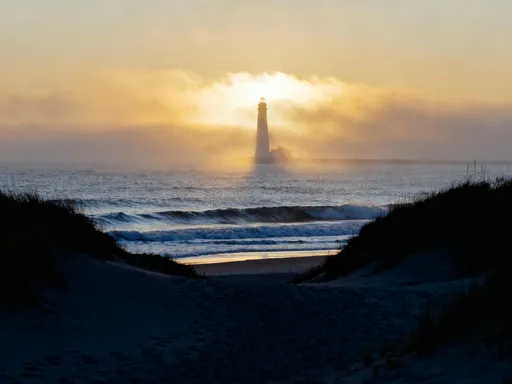
Barnegat Light is home to the island’s most iconic landmark: the Barnegat Lighthouse, affectionately known as “Old Barney.” Standing tall since 1859, this red-and-white striped tower has guided ships through treacherous waters for over a century. Today, it serves as both a historic site and a symbol of resilience. Visitors can climb its 217 steps for panoramic views of the coastline, the bay, and on clear days, the distant Manhattan skyline. But the real magic happens at dawn, when mist rises off the water and the first light catches the tower’s lantern. Locals often gather here with coffee in hand, beginning their day in quiet reverence.
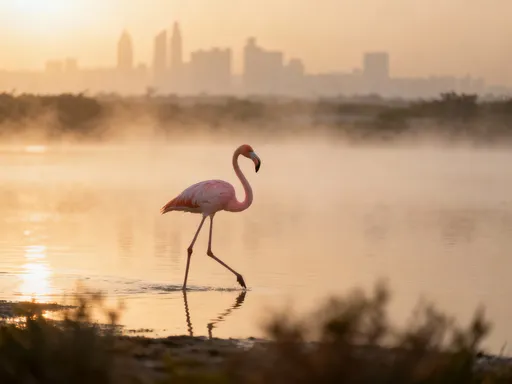
The surrounding Barnegat Lighthouse State Park protects over 170 acres of fragile dune and maritime forest ecosystems. Boardwalks wind through the preserve, offering safe passage for visitors while protecting native vegetation. This is prime birdwatching territory—herons stalk the shallows, ospreys dive for fish, and during migration seasons, rare species can be spotted with a patient eye and a good pair of binoculars. Interpretive signs along the trails educate visitors about the delicate balance of coastal habitats, reinforcing the importance of conservation.
Accommodations in the north tend to be more subdued—think cozy cottages, family-owned inns, and rental homes tucked behind dunes. There are no high-rises or neon signs here; the architecture blends into the landscape, respecting the area’s low-impact ethos. Many visitors come specifically to unplug, trading Wi-Fi for waves, and screens for sunsets. It’s not uncommon to see families reading books on porches, couples walking barefoot along the shoreline, or solo travelers journaling as the tide rolls in.
This zone is ideal for those seeking emotional restoration. The combination of open space, clean air, and natural beauty has a calming effect that goes beyond mere relaxation. It’s a place where thoughts settle, breathing deepens, and the mind begins to untangle from the knots of daily life. For many, a morning walk along the north beach—feet in the cool sand, wind in the hair—becomes a daily ritual, a form of moving meditation that sets the tone for the rest of the day.
Sunset Scene in Holgate: Wild, Undisturbed, and Free
At the southernmost tip of Long Beach Island lies Holgate, a 7-mile stretch of undeveloped shoreline managed by the U.S. Fish & Wildlife Service as part of the Edwin B. Forsythe National Wildlife Refuge. This is LBI’s last true wilderness, a place where nature reigns unchallenged and human access is carefully regulated to protect its ecological integrity. Here, there are no shops, no boardwalks, no streetlights—only sand, sea, and sky.
Holgate’s beaches are among the most pristine on the East Coast, serving as critical habitat for nesting shorebirds and, most notably, endangered sea turtles. Each summer, conservation teams monitor the coastline for loggerhead and occasionally Kemp’s ridley turtle nests, installing protective fencing and educating visitors about how to avoid disturbing these fragile sites. Public access is permitted, but only during daylight hours and with strict guidelines: no pets, no fires, no vehicles, and no littering. These rules aren’t arbitrary—they’re essential to preserving a rare and vulnerable ecosystem.
For visitors, Holgate offers a rare chance to experience the ocean in its rawest form. The beaches are wide and often empty, even in peak season. Waves roll in with a powerful, unbroken rhythm, and the dunes rise like natural fortresses against the wind. It’s not uncommon to walk for miles without seeing another soul—just the occasional fisherman with a long rod or a biologist checking monitoring stations. The sense of solitude is profound, almost spiritual.
Guided eco-tours are available through local organizations and are highly recommended for first-time visitors. These walks, led by trained naturalists, provide insight into the area’s ecology—from the role of dune grass in preventing erosion to the migratory patterns of sanderlings and piping plovers. Participants learn how small actions—like staying on marked paths or avoiding nest zones—can have a big impact on conservation efforts. It’s education wrapped in wonder, a reminder that beauty and responsibility go hand in hand.
The best time to visit Holgate is early morning or late afternoon, when the light is soft and the air is cool. Sunset here is nothing short of majestic—golden rays stretch across the water, turning the waves into liquid fire. But unlike more developed areas, there’s no crowd to block the view. You can sit in silence, watching the day end in a place that feels unchanged for centuries. It’s a humbling experience, one that reminds us of nature’s quiet power and our role as respectful guests.
Beach Haven & Ship Bottom: The Local Life Zone
Between the polished charm of Surf City and the wild south lies a stretch of island that feels lived-in and real—Beach Haven and Ship Bottom. These towns don’t aim for postcard perfection; instead, they offer a glimpse into the year-round life of LBI. Here, you’ll find neighborhood diners where locals gather for morning coffee, hardware stores that stock everything from fishing tackle to paint, and bike shops that have been family-run for decades.
Beach Haven is perhaps best known for its boardwalk and Fantasy Island Amusement Park, which brings a touch of classic seaside fun to families. But beyond the rides and arcades, the town has a quieter side—tree-lined streets with historic homes, small parks where children play, and a marina bustling with charter boats. The annual Blessing of the Bay ceremony, where local vessels are sprinkled with holy water for safe passage, reflects the deep connection between the community and the sea.
Ship Bottom, meanwhile, serves as a practical hub for both residents and visitors. Its compact downtown includes grocery stores, pharmacies, and hardware shops—essentials that make extended stays possible. The town hosts community events throughout the summer, including outdoor movie nights on the beach and holiday parades that draw island-wide participation. These gatherings aren’t staged for tourists; they’re genuine expressions of local pride and connection.
For travelers, this zone offers the chance to blend in rather than stand out. Renting a bike here is easy, and the network of paths connects all major towns, making car-free exploration feasible. Many visitors appreciate the convenience of having daily necessities within reach, especially those staying in vacation homes or cottages. At the same time, the beaches remain wide and welcoming, with lifeguard-protected zones during summer months.
What sets this area apart is its balance. It’s not overly commercialized, nor is it secluded to the point of inconvenience. It’s where islanders live, work, and raise families—and where visitors can experience that authenticity without sacrificing comfort. Walking through Ship Bottom’s side streets, you might see kids riding bikes with training wheels, neighbors chatting over fences, or a pickup truck loaded with kayaks heading to the bay. These small moments capture the essence of island life—simple, grounded, and deeply human.
Culinary Threads Across the Island
Food on Long Beach Island is more than sustenance—it’s a narrative of place, season, and community. Each zone contributes its own flavor to the island’s culinary identity, shaped by geography, tradition, and the rhythm of coastal life. From clam cakes fried to golden perfection in Surf City to wild blueberries picked in the island’s pine barrens, the island’s tastes are as varied as its landscapes.
In the central towns, seafood dominates. Fresh fluke, striped bass, and bluefish arrive daily from local charter boats and are served in dock-to-table restaurants that pride themselves on simplicity and quality. Clam cakes—deep-fried balls of seasoned clam meat—are a regional specialty, best enjoyed with a cold drink and a view of the water. Many restaurants source ingredients from nearby farms and fisheries, supporting a growing emphasis on sustainability and local economies.
The northern end, with its proximity to protected lands and farmland, leans into seasonal produce. Farm stands in Barnegat Light and nearby mainland towns offer Jersey sweet corn, tomatoes, and blueberries at the peak of ripeness. Some vacation homes even come with fruit trees in the yard, where guests can pick their own lemons or figs. Breakfasts often feature fresh eggs from local coops and homemade preserves passed down through generations.
Down south, in Holgate and Beach Haven, the food culture is more modest but no less meaningful. Simple beach shacks serve lobster rolls on buttered buns, crab cakes with minimal filler, and iced tea sweetened just right. These aren’t fancy presentations—they’re honest meals for people who’ve spent the day in the sun. Even the most casual spots often have a story: a grandmother’s recipe, a fisherman’s favorite spot, a tradition born from summer after summer of family gatherings.
What ties it all together is a shared respect for ingredients and seasonality. Menus change with the months, reflecting what’s fresh and available. There’s little interest in imported exotics or trend-driven dishes; instead, the focus is on what the region naturally provides. For visitors, this means every meal feels connected to the place—eating bluefish in Ship Bottom isn’t just a dinner choice, it’s a participation in the island’s rhythm.
Choosing Your Zone: Matching Travel Goals to Place
With so much variety, selecting the right part of Long Beach Island can make all the difference in crafting a meaningful trip. The island’s themed zones aren’t just geographic distinctions—they’re invitations to align your visit with your deepest travel intentions. Whether you’re seeking peace, adventure, culture, or family connection, there’s a place on LBI that fits.
For those prioritizing relaxation and natural beauty, the north end—Barnegat Light and High Bar Harbor—is ideal. With quieter beaches, minimal development, and a strong focus on conservation, it’s perfect for travelers who want to unplug and recharge. Accommodations tend to be more private, and the pace is inherently slower. Early risers will especially appreciate the sunrise views and morning walks along undisturbed shores.
Families with children often gravitate toward Surf City and Beach Haven, where amenities are plentiful and the atmosphere is welcoming. The walkable downtowns, bike paths, and protected beaches make these areas safe and convenient. Community events add a layer of engagement, allowing kids to feel part of something bigger than their vacation rental. Ice cream stops, mini-golf, and boardwalk strolls become cherished routines.
Adventure seekers and nature lovers will find their match in Holgate. The wild shoreline, birdwatching opportunities, and eco-tours offer immersive experiences that go beyond typical beach activities. While access is limited, the reward is unparalleled solitude and a chance to witness nature in its purest form. This zone is best for travelers who value preservation and are willing to follow guidelines to protect it.
For a balanced experience, consider splitting your stay between zones. Begin in Surf City to soak in the culture, then retreat north for quiet days. Or start with a day trip to Holgate before returning to the comforts of Ship Bottom. The island’s compact size makes multi-zone stays not only possible but enriching. Traveling by bike enhances the experience, allowing you to feel the shift in atmosphere as you pedal from one town to the next.
Timing also matters. June and September offer milder weather and fewer crowds, making them ideal for travelers who prefer a more relaxed pace. July and August bring peak energy—perfect for families who want to experience the full summer rhythm, but less suited for those seeking solitude. Regardless of when you visit, the key is intentionality: choosing not just where to stay, but why.
Conclusion: Why Themed Zones Make the Island Whole
Long Beach Island’s true magic lies not in its beaches alone, but in its diversity. It is a place of contrasts—of energy and stillness, tradition and wildness, community and solitude. These themed zones don’t divide the island; they deepen it, offering layers of experience that cater to every kind of traveler. To visit LBI is not to check off attractions, but to step into a living, breathing place with its own rhythm and soul.
The island invites mindfulness. It asks us to slow down, to notice the way the light changes over the dunes, to listen to the stories hidden in a fisherman’s hands or the chime of an ice cream truck down a quiet street. It reminds us that the best travels are not those measured in miles, but in moments of connection—between people, places, and the natural world.
By honoring each zone’s unique character, visitors become part of something larger than a vacation. They contribute, even briefly, to the island’s ongoing story. And when they leave, they carry more than souvenirs—they carry the quiet magic of a place that feels, at last, like it truly gets them.