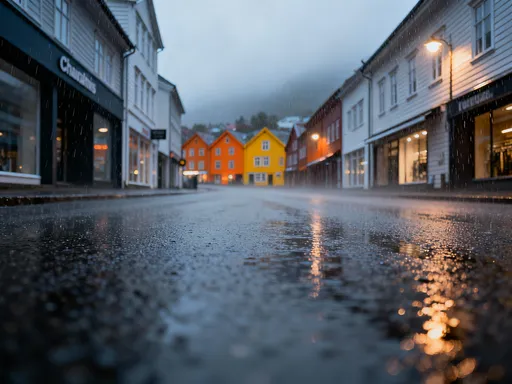
Heidelberg in Frame: Where Every Shop Tells a Story
Walking through Heidelberg feels like stepping into a living postcard—cobblestone streets, ivy-clad buildings, and the gentle rustle of the Neckar River below. But what truly stole my heart wasn’t just the view—it was how every little shop, tucked between historic walls, became a perfect photo moment. You know that feeling when beauty and shopping collide? That’s Heidelberg. And honestly, you’ve never seen retail quite this picturesque. Here, commerce doesn’t interrupt the charm; it enhances it. Each storefront is a chapter in the city’s visual story, waiting to be framed, remembered, and shared.
First Glimpse: Heidelberg’s Photogenic Soul
Arriving in Heidelberg is like stepping into a watercolor painting slowly coming to life. From the moment you cross the Alte Brücke, the iconic stone bridge that spans the Neckar River, the city unfolds in layers of architectural poetry. The red-tiled rooftops of the Altstadt (Old Town) climb gently toward the hilltop Heidelberg Castle, its weathered towers standing as silent witnesses to centuries of stories. Sunlight dances across the river’s surface, casting shimmering reflections that mirror the pastel hues of the surrounding buildings. It is impossible not to reach for your camera—this is a city designed to be seen, remembered, and captured.
What sets Heidelberg apart from other historic European towns is how seamlessly daily life integrates with its timeless beauty. Unlike museum-like cities preserved behind glass, Heidelberg breathes. Locals chat outside bakeries, students cycle down narrow lanes, and shopkeepers arrange fresh blooms in window boxes. These are not staged moments but natural rhythms that add authenticity to every photograph. The city’s aesthetic is not merely ornamental—it invites participation. Even window shopping becomes a sensory experience, where the architecture, the light, and the human element converge into something cinematic.
The visual harmony of Heidelberg lies in its proportions. Streets are narrow but never cramped, buildings are tall but never overwhelming. Every corner reveals a new composition: a wrought-iron lantern beside a flower-laden doorway, a weathered sign swinging gently in the breeze, a cat napping on a sun-warmed windowsill. These small details are not accidents—they are the quiet poetry of a city that has learned to age gracefully. For the photographer, this means endless opportunities to capture not just landmarks, but the soul of a place through its textures, colors, and fleeting moments.
The Main Street Magic: Shopping on Hauptstraße
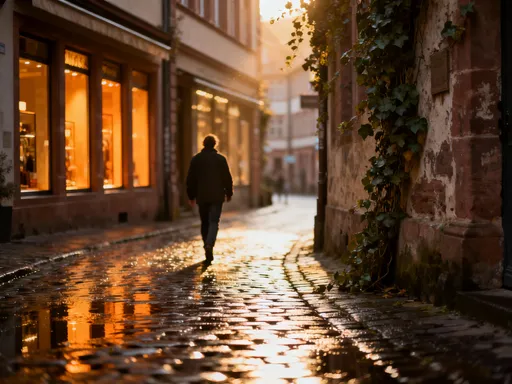
Hauptstraße, the bustling heart of Heidelberg’s Old Town, is more than just a shopping street—it’s a stage. Stretching over a kilometer from Karl-Theodor Bridge to the Church of the Holy Spirit, this pedestrian-only thoroughfare pulses with energy and elegance. Here, historic charm meets modern convenience, where centuries-old facades house contemporary boutiques, artisan shops, and inviting café terraces. The cobblestones, worn smooth by generations of footsteps, glisten after a morning rain, creating natural reflections that elevate even the simplest photos.
Morning light transforms Hauptstraße into a photographer’s dream. As the sun rises above the hills, golden rays spill into the street, illuminating the pastel-colored buildings and casting long, dramatic shadows. This is the ideal time to capture candid moments: a barista steaming milk outside a corner café, an elderly couple pausing to admire a display of handcrafted chocolates, or a child pressing their nose against a toy shop window. The interplay of light and movement creates dynamic compositions, especially when using a slightly slower shutter speed to suggest motion without losing clarity.
The variety of storefronts ensures visual diversity. One moment you’re photographing a vintage bookstore with leather-bound volumes spilling onto wooden shelves, and the next, you’re drawn to a modern jewelry boutique where delicate gold pieces catch the sunlight. Each shop offers a different aesthetic—some rustic, others refined—but all maintain a sense of continuity with the city’s architectural language. Photographers should pay attention to symmetry, leading lines, and framing techniques. For instance, shooting through an arched doorway to capture a distant shop sign creates depth and narrative intrigue.
Timing is key. While midday brings crowds, early morning or late afternoon offers softer light and fewer people. The hour just before sunset, known as golden hour, bathes the street in warm, diffused light, making colors appear richer and textures more pronounced. A tripod isn’t always necessary, but for low-light shots or long exposures, even a compact travel tripod can make a significant difference. Whether using a DSLR or a high-end smartphone, the key is to observe—wait for the right moment when a shopper pauses, a shadow aligns, or a beam of light hits just right.
Hidden Gems Off the Beaten Path
While Hauptstraße dazzles with its energy, the quieter lanes branching off it reveal a more intimate side of Heidelberg. Streets like Schnieweinstraße, Kettengasse, and Bunte Gasse wind like ribbons through the old town, each hiding small, family-run shops that feel more like curated galleries than retail spaces. These are the places where photography becomes storytelling—where every image captures not just a product, but a legacy.
In Schnieweinstraße, a narrow alley lined with ivy-covered stone walls, you’ll find a tiny ceramics studio where a local potter shapes delicate mugs and plates by hand. The shop has no flashy signage, just a small wooden plaque with a brush-painted name. Inside, shelves are filled with earth-toned pieces, each bearing the subtle imperfections that speak of human touch. Photographing here is about restraint and respect—using natural light from the single window, focusing on textures, and capturing the quiet pride in the artisan’s hands as they polish a finished piece.
Kettengasse, another hidden passage, opens into a sunlit courtyard where a generations-old bookbindery operates. The scent of aged paper and leather fills the air. Here, a craftsman in a worn apron repairs antique volumes, his tools laid out with precision. The scene is timeless, almost untouched by the digital age. A well-composed photo might focus on the contrast between his weathered hands and the delicate gold leaf he applies to a book’s spine. These are not just images of objects—they are portraits of continuity, of skills passed down through time.
Photographers should approach these spaces with mindfulness. Many artisans welcome quiet observation, but overt or intrusive photography can disrupt their work. A simple nod or a quiet “May I take a photo?” goes a long way. The best shots often come from patience—waiting for the right gesture, the perfect light, or a spontaneous moment of interaction. These hidden lanes reward those who wander slowly, who look beyond the obvious, and who understand that beauty often resides in the unnoticed.
Light, Shadows, and Seasons: When to Shoot
Heidelberg’s visual magic shifts with the seasons, and understanding these changes can transform your photography. Each time of year offers a distinct mood, palette, and quality of light—mastering them allows you to tell a richer, more nuanced story.
Spring brings soft greens and blooming wisteria that drapes over shopfronts like purple waterfalls. Morning light is gentle, diffused by a lingering haze that softens edges and creates a dreamlike atmosphere. This is ideal for capturing storefronts framed by blossoms or reflections in puddles after a light rain. A polarizing filter can help reduce glare on wet stones, enhancing color saturation without losing detail.
Summer offers long daylight hours and vibrant energy. While midday sun can be harsh, creating strong contrasts and blown-out highlights, the late afternoon brings a warm, golden glow. Cafés spill onto sidewalks, and the streets hum with life. This is the time for street photography—capturing laughter, movement, and the vibrant chaos of a city in full bloom. A wide aperture (f/2.8 or lower) can help isolate subjects from busy backgrounds, drawing focus to a single face, a colorful ice cream cone, or a hand reaching for a shop door.
Autumn transforms Heidelberg into a tapestry of amber, rust, and gold. Leaves crunch underfoot, and the air carries a crisp clarity that sharpens distant views. The angled light of fall enhances textures—wooden signs, stone walls, woven baskets—making them ideal subjects. Early mornings often bring a delicate mist that rises from the Neckar, wrapping the lower town in a soft veil. A telephoto lens can compress perspective, turning foggy streets into ethereal corridors.
Winter, though quieter, holds its own quiet magic. When frost dusts the rooftops and the castle wears a crown of snow, Heidelberg becomes a scene from a holiday card. Streetlights glow earlier, casting long shadows and warm pools of light. Christmas markets bring festive decorations—twinkling lights, wooden stalls, and steaming mugs of glühwein. A tripod becomes essential for night shots, allowing for longer exposures that capture light trails and the soft blur of passing figures. Even in cold weather, a well-layered photographer can find beauty in stillness—in a single candle in a shop window, or a child’s breath rising in the frosty air.
Regardless of season, the key is to plan around light. The golden hours—shortly after sunrise and before sunset—offer the most flattering illumination. Overcast days, often dismissed, can actually be ideal for even lighting and reduced contrast, especially for photographing colorful shop displays. And while high-end gear helps, even smartphone cameras, when used with care, can produce stunning results. Apps that track sunrise and sunset times, or tools like the light meter in Adobe Lightroom, can aid in timing and exposure decisions.
Shopping as a Visual Narrative: From Windows to Bags
Shopping in Heidelberg is not just about what you buy—it’s about how the experience unfolds visually. Every stage, from browsing to purchasing, offers photographic potential. A thoughtful image series can tell the story of a single shopping moment: the curiosity in a traveler’s eyes as they peer into a window, the careful selection of a gift, the handing over of cash, the wrapping of the item, and finally, the carrying of a beautifully branded paper bag through the historic streets.
Window displays in Heidelberg are works of art in themselves. Some shops change their arrangements weekly, using seasonal themes, local motifs, or artistic installations. A chocolatier might display hand-painted boxes arranged like a mosaic, while a florist might create a cascade of blooms spilling onto the sidewalk. These are not just advertisements—they are invitations to look closer. Photographing them requires attention to detail: the reflection of a passerby in the glass, the interplay of artificial and natural light, or the way a single spotlight highlights a featured item.
The act of purchasing adds human emotion to the narrative. A genuine smile from a shopkeeper, the careful tying of a ribbon, or the handing over of a small gift tag—these micro-moments convey warmth and connection. They remind us that behind every product is a person, a story, a craft. Capturing these interactions requires empathy and timing. A candid shot, taken with permission or at a respectful distance, can be more powerful than any posed image.
Even the packaging becomes part of the visual journey. Heidelberg’s boutiques often use simple, elegant materials—kraft paper, cotton twine, stamped labels. A paper bag with a classic logo, held against the backdrop of a centuries-old wall, creates a striking contrast between old and new, temporary and enduring. These images resonate because they are relatable—they mirror our own experiences of travel, memory, and the small joys of discovery.
Local Flavors Through Souvenirs and Crafts
What makes a souvenir meaningful? It’s not just the object itself, but what it represents—the place, the moment, the culture. In Heidelberg, the most image-worthy keepsakes are those rooted in local tradition. These are not mass-produced trinkets, but handcrafted items that carry the essence of the region.
Traditional ceramics, for example, are a hallmark of the area. Local potters use techniques passed down for generations, creating pieces with earthy glazes and organic shapes. A simple mug, painted with a subtle motif of the castle or the river, becomes a functional piece of art. Photographing these items in context—on a café table with a steaming drink, or held against a stone wall—adds narrative depth.
Regional wines, particularly from the nearby Baden and Palatinate vineyards, are another popular choice. Bottles with elegant labels and wax seals make for striking still-life compositions. A photo of a wine shop’s cellar, with bottles stacked in wooden crates, evokes a sense of time and tradition. Even the act of selecting a bottle—reading the label, consulting with the vintner—can be a compelling visual sequence.
Handmade books and stationery, often found in independent bookshops, reflect Heidelberg’s long-standing connection to academia and literature. As home to Germany’s oldest university, the city has a deep respect for the written word. Leather-bound journals, fountain pens, and handmade paper products are not just gifts—they are tributes to knowledge and creativity. A photograph of an open notebook with a handwritten note, placed beside a window overlooking the Neckar, speaks volumes about the intersection of place and thought.
Apothecary items, such as herbal soaps, lavender sachets, or natural balms, often come in vintage-style packaging that feels both nostalgic and luxurious. These are not just souvenirs—they are sensory experiences. Capturing them in soft light, perhaps beside a candle or on a wooden tray, emphasizes their craftsmanship and authenticity.
Putting It All Together: Curating Your Heidelberg Album
Returning home with hundreds of photos is only the beginning. The real art lies in curation—selecting, editing, and arranging images to tell a coherent and emotionally resonant story. A well-curated album doesn’t just show what you saw; it conveys how you felt.
Start by grouping your photos into themes. You might create a series called “Details of Heidelberg” featuring close-ups of door knockers, shop signs, or fabric textures. Another could be “A Day in the Old Town,” following a chronological journey from morning coffee to evening strolls. A third might focus on “Hands at Work,” highlighting artisans, shopkeepers, and craftspeople.
Editing should enhance, not distort. Adjust exposure, contrast, and white balance to reflect the true mood of the scene. Avoid overusing filters that alter colors unnaturally. Instead, aim for a consistent tone—warm and inviting, or soft and nostalgic—that ties the collection together. Cropping can help eliminate distractions and strengthen composition, but always preserve the integrity of the moment.
Consider how you’ll share your story. A printed photo book allows for tactile engagement, with images flowing like pages in a novel. Digital albums, shared via cloud platforms, can include captions that add context—names of shops, snippets of conversation, or personal reflections. Social media can be a platform for connection, but it shouldn’t dictate your vision. Post with intention, not obligation.
Ultimately, the goal is not perfection, but memory. The slightly blurry shot of a laughing child outside a bakery, the imperfect reflection in a puddle, the shadow of a lamppost across a quiet lane—these are the images that endure. They remind us that travel is not about capturing every detail, but about feeling present in the moment.
Final Reflection: Beauty, Commerce, and Memory
Heidelberg teaches us that beauty and commerce need not be at odds. In a world where shopping is often reduced to speed and convenience, this city offers a different model—one where retail is an extension of culture, where every purchase is a gesture of appreciation, and every shop is a keeper of stories. To photograph Heidelberg’s shops is not to document consumption, but to celebrate continuity—the quiet persistence of craft, the warmth of human connection, the enduring charm of a place that values both tradition and presence.
Each image you take becomes a thread in a larger tapestry. The cobblestone street, the sunlit window, the hand-painted sign—they are not isolated moments, but parts of a living story. And when you look back at your photos, you won’t just see places. You’ll remember the cool touch of stone under your fingertips, the scent of fresh bread in the morning air, the sound of a shop bell chiming as you stepped inside.
In the end, it’s not about how many photos you take, but how deeply you see. Heidelberg invites us to slow down, to notice, to appreciate. It reminds us that the most meaningful souvenirs are not always the ones we carry home in bags—but the ones we carry in our hearts, one frame at a time.