You Won’t Believe This Hidden Island Festival in Thailand
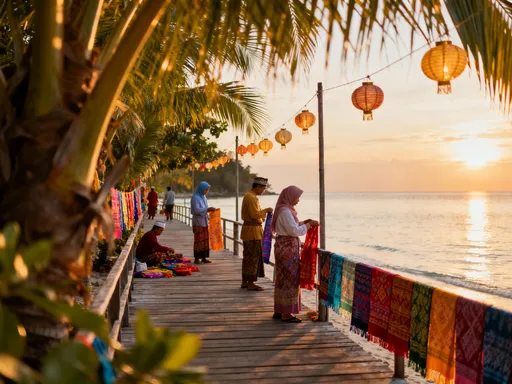
Have you ever dreamed of stumbling upon a festival so untouched, so real, that it feels like time stood still? I did—on Koh Lipe, a tiny island in southern Thailand often missed by mainstream travelers. While most flock to Phuket or Phi Phi, this quiet gem hosts a vibrant local celebration deeply rooted in Malay-Muslim tradition and island life. It’s not staged for tourists; it’s lived. The colors, the drumbeats, the scent of grilled satay in the air—it’s pure, authentic, and absolutely mind-blowing.
Discovering Koh Lipe: Thailand’s Best-Kept Secret
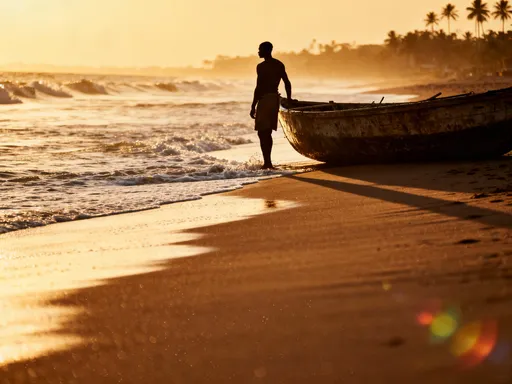
Koh Lipe is a slender ribbon of white sand and swaying palms nestled in the Andaman Sea, part of the Tarutao National Marine Park near the Malaysian border. Accessible only by boat, this remote island remains refreshingly untouched by mass tourism. Unlike the bustling streets of Phuket or the crowded viewpoints of Railay, Koh Lipe moves at the pace of the tides. Its three main beaches—Sunrise, Pattaya, and Sunset—curve gently around the island like a seashell embracing the ocean. Each offers powdery sand, shallow turquoise water, and a relaxed atmosphere where bare feet are the standard footwear and smiles are exchanged freely.
What makes Koh Lipe truly special is not just its natural beauty, but its cultural resilience. As part of a protected marine park, development is limited, and local traditions have flourished without the pressures of commercial tourism. The island is home to a close-knit community of Malay-Muslim descendants who have lived here for generations, preserving their language, customs, and spiritual practices. Their way of life is deeply intertwined with the sea—fishing, boat-building, and seasonal rituals that honor both faith and nature. This cultural continuity sets the stage for one of the most authentic local festivals in southern Thailand, a celebration that unfolds not for cameras, but for community.
Because of its isolation, Koh Lipe has avoided the overdevelopment seen on other Thai islands. There are no high-rise resorts, no neon-lit bars, and no traffic jams. Instead, visitors find family-run bungalows, open-air restaurants serving fresh seafood, and pathways shaded by coconut trees. This low-key environment allows traditions to remain intact, including the annual island festival that blends religious observance with communal joy. For travelers seeking more than sunbathing and selfies, Koh Lipe offers a rare opportunity to witness culture as it is lived—not performed.
The Spirit of the Festival: More Than Just Celebration
The heart of Koh Lipe’s cultural life beats strongest during its seasonal festival, a vibrant event rooted in Malay-Muslim heritage. While the exact timing varies each year depending on the lunar Islamic calendar, it often coincides with Hari Raya Aidilfitri, marking the end of Ramadan, or with local boat-blessing ceremonies that precede the fishing season. These occasions are not mere holidays—they are acts of gratitude, faith, and unity. The festival is not advertised in brochures or promoted on social media. It happens because it always has, passed down through generations as a sacred rhythm of island life.
At its core, the celebration is a blend of religious devotion and cultural expression. The island’s small mosque becomes the focal point, where communal prayers bring together nearly every resident, young and old. Following the prayers, the community gathers in the open-air pavilion near the beach, where long-tail boats—painted in bright blues, greens, and reds—are blessed with floral garlands and incense. These boats are more than vessels; they are lifelines, representing safety, livelihood, and connection to the sea. The blessing ritual includes Quranic recitations, traditional chants, and the sprinkling of rose-scented water, symbolizing protection and prosperity for the coming season.
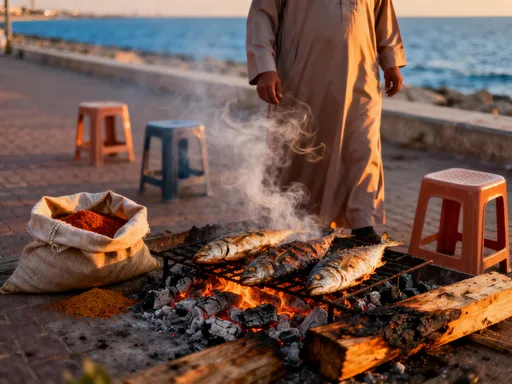
Music fills the air as men and boys form circles around kompang drums, their hands moving in synchronized rhythm. The sound of the rebana, a frame drum with deep cultural significance, echoes across the beach. Women prepare elaborate meals on open stoves—dishes like nasi lemak, satay, and spicy fish curries served on banana leaves. The feast is shared freely, reinforcing the values of generosity and togetherness. Unlike commercialized festivals where visitors pay to watch performances, here, everyone is invited to participate or observe with respect. There are no ticketed seats, no stage barriers—just an open invitation to be part of something real.
A Day in the Life: Experiencing the Festival Firsthand
Imagine waking before dawn to the soft call to prayer echoing from the mosque, carried on the salty sea breeze. The sky is still dark, but the island is stirring. Men in white songkoks and sarongs walk barefoot along the sand, heading to morning prayers. Children, dressed in crisp traditional outfits with embroidered vests and floral headbands, skip ahead, their laughter blending with the distant drumbeats. Women in colorful kebayas move between wooden stoves, tending to pots of simmering coconut rice and skewers of marinated chicken. The air is rich with the scent of lemongrass, chili, and jasmine garlands hanging from doorways.
By mid-morning, the island transforms into a living canvas of culture. The central square, usually a quiet patch of sand near the main beach, becomes a gathering place. Elders sit on woven mats under shaded tents, sipping sweet tea and sharing stories. Young drummers rehearse their kompang routines, their hands moving with precision and pride. A group of teenage girls practices a traditional dance, their movements graceful and deliberate, feet tapping in time with the beat. The energy is joyful but never chaotic—there is a deep sense of purpose beneath the celebration.
Visitors are welcomed as quiet observers. There is no pressure to join, but respectful presence is appreciated. Travelers who remove their shoes before entering prayer areas, dress modestly, and ask before taking photos are often greeted with warm smiles and offered a seat at the communal meal. One elderly woman, her hands weathered from decades of fishing, handed me a plate of steaming nasi lemak wrapped in banana leaf. “Eat,” she said with a gentle nod. “This is our way of sharing blessings.” That moment—simple, unscripted, and full of meaning—captured the essence of the festival far more than any performance ever could.
Why This Festival Stands Out in Modern Travel
In an age where many cultural events are tailored for tourist consumption, Koh Lipe’s festival is a rare exception. Across Southeast Asia, it’s common to see “authentic” dances performed hourly at shopping malls, or temple ceremonies turned into photo opportunities with costumed performers. While these experiences have their place, they often lack the emotional depth of traditions practiced for their own sake. Koh Lipe’s celebration is different because it exists independently of tourism. It would happen even if no outsiders came. That authenticity is what makes it so powerful.
The festival is not a show. There are no microphones, no choreographed entrances, no timed performances. The drumming begins when the drummers are ready. The prayers start when the imam calls. The feast is served when the rice is cooked. This organic flow reflects a community that lives by its own rhythm, not by a tourist itinerary. For travelers accustomed to curated experiences, this can be both disorienting and deeply moving. It reminds us that culture is not a product—it is a practice, a way of being.
Compare this to the highly produced festivals in more accessible destinations, where traditions are condensed into 30-minute shows between shopping and dining. On Koh Lipe, the celebration unfolds over days, woven into daily life. A fisherman blesses his boat in the morning, eats with his family at noon, and joins the drum circle at dusk. There is no separation between the sacred and the everyday. This integration is what gives the festival its emotional resonance. It’s not about spectacle—it’s about belonging.
How to Visit Respectfully and Responsibly
For those drawn to Koh Lipe’s festival, timing and attitude are everything. The celebration typically occurs between April and June, often aligning with Hari Raya Aidilfitri, but exact dates vary each year based on the Islamic calendar. Travelers should check with local guesthouses or the Satun Provincial Office for updated information. Booking accommodations in advance is wise, as the island has limited lodging, and many families open their homes to visitors during the festival season.
Equally important is how one behaves as a guest. Dressing modestly is essential, especially during religious observances. Women should cover shoulders and knees; men should avoid sleeveless shirts. When entering prayer areas or community spaces, remove shoes and speak softly. Photography is permitted, but never intrusive—always ask before photographing individuals, especially during prayers or family moments. Avoid using flash, and never treat people as props. The goal is not to capture the perfect shot, but to honor the moment.
Supporting the local economy is another way to travel responsibly. Instead of bringing packaged snacks or drinks from the mainland, buy fresh fruit, grilled fish, or handmade snacks from village vendors. Stay in family-run bungalows rather than large resorts. Participate in community activities when invited, but never demand inclusion. Remember, you are a guest in someone’s home, not a customer at an attraction. By approaching the experience with humility and respect, travelers help preserve the very authenticity they come to see.
Beyond the Festival: What Else Makes Koh Lipe Special
While the festival is a highlight, Koh Lipe’s charm extends far beyond a single event. The island is surrounded by some of the clearest waters in Thailand, part of a protected marine park teeming with coral reefs, sea turtles, and tropical fish. Snorkeling off the coast of Adang Island or near Hin Ngam’s rocky outcrops offers unforgettable underwater views. Glass-bottom kayaks and guided eco-tours allow visitors to explore without harming the delicate ecosystem.
On land, the Sunrise Beach boardwalk offers a peaceful morning walk with views of the Andaman Sea stretching to the horizon. Fishermen mend their nets on the shore, their boats bobbing gently in the shallows. Children play football on the sand, their shouts blending with the cries of seabirds. The island’s small market sells handmade crafts, woven bags, and local snacks like banana fritters and coconut pancakes. Conversations with residents often lead to impromptu invitations for tea or a boat ride to a hidden cove.
What ties all these experiences together is the island’s unhurried pace. Life here is measured in tides, not timestamps. There is no rush, no pressure to do more. This slow rhythm is not accidental—it is a reflection of values that prioritize community, nature, and spiritual well-being over convenience and consumption. The festival feels natural because it emerges from this way of life, not because it is imposed upon it. For travelers, this offers a rare chance to slow down, listen, and reconnect with what matters.
Closing Reflection: The Future of Hidden Travel
Places like Koh Lipe are becoming increasingly rare. As travel becomes more accessible, more destinations fall prey to over-tourism, losing the very qualities that made them special. Streets once lined with family shops become rows of souvenir stores. Quiet beaches turn into party zones. Cultural rituals are shortened, simplified, and sold. The danger is not that people travel, but that they travel without awareness—collecting destinations like trophies, rather than seeking understanding.
Koh Lipe’s festival reminds us that the most meaningful travel is not about where you go, but how you go. It invites us to shift from being spectators to being stewards. To listen more than we speak. To observe more than we photograph. To give more than we take. The beauty of this island lies not just in its beaches or festivals, but in its ability to inspire reflection—about our place in the world, our impact on communities, and the kind of travelers we choose to be.
As interest in Koh Lipe grows, so does the responsibility to protect it. Sustainable tourism is not a slogan—it is a practice. It means choosing small, local operators. It means respecting cultural boundaries. It means leaving no trace and taking only memories. The future of hidden travel depends on travelers who value depth over distance, connection over convenience, and authenticity over aesthetics.
So if you ever find yourself on a quiet beach in southern Thailand, hearing the distant beat of a kompang drum at sunset, remember this: you are not just visiting a place. You are being welcomed into a way of life. And the greatest gift you can offer in return is not a camera flash, but your presence—quiet, respectful, and full of heart.