Seoul’s Backyard Secret: Where Culture Snaps Come Alive
You know that feeling when a place just gets you? Incheon isn’t just a gateway—it’s a full-on cultural vibe with backdrops so rich, your camera can’t keep up. I’m talking traditional hanok alleys, street performances that stop your scroll, and festivals bursting with color. This is real, raw, and ridiculously photogenic. If you’re chasing moments that feel alive—and look insane on your feed—Incheon’s cultural scene is your next must-see. Often overlooked as merely Seoul’s airport city, Incheon reveals a layered identity the moment you step beyond the terminal. It’s a place where history, modern art, and tradition converge in ways that feel both intentional and organic. For travelers seeking authenticity without the crowds, Incheon offers a rare blend of accessibility and depth. Whether you're drawn to ancient stones, urban murals, or vibrant street festivals, this city delivers visual storytelling at every turn. And for those who carry a camera not just to document, but to connect, Incheon speaks in images that linger long after the shutter closes.
Why Incheon? Beyond the Airport Myth
Incheon has long been dismissed as little more than a transit point—a city you fly into but don’t stay in. Yet this perception overlooks a truth known to locals and cultural explorers: Incheon is a destination in its own right. As Korea’s first international port, opened in 1883, it became a crossroads of cultures, welcoming Chinese, Japanese, and Western influences long before modern globalization. This historical role shaped a cityscape unlike any other in South Korea—one where colonial-era buildings stand beside contemporary art installations, and where tradition evolves without erasing the past.
The city’s unique position as a cultural melting pot is evident in its architecture, cuisine, and community life. Unlike Seoul’s polished urban energy, Incheon moves at a gentler pace, allowing space for discovery. Its neighborhoods unfold like chapters in a historical novel, each with its own tone and texture. From the bustling energy of Chinatown to the quiet reverence of ancient dolmens on Ganghwa Island, the city offers a photographic journey through time. For travelers seeking authenticity, this blend of old and new, local and global, creates a visual richness that’s both accessible and profound.
Moreover, Incheon’s infrastructure makes it easy to explore. Public transportation is efficient, signage is increasingly English-friendly, and distances between key cultural sites are manageable. This accessibility, combined with lower tourist density than Seoul, means you can capture candid moments without jostling for space. Whether you’re a seasoned photographer or someone who simply loves to document meaningful experiences, Incheon rewards intentionality. It invites you not just to see, but to observe—to notice the way light hits a painted mural at dawn, or how elders gather in a quiet park beneath a centuries-old tree. In a world where many destinations feel overexposed, Incheon remains refreshingly under the radar, offering a chance to create images that feel personal, not predictable.
Jemulpo: Where History Meets Street Art
Nestled along Incheon’s western edge, Jemulpo is a district where time seems to pause between eras. Once a bustling port neighborhood in the early 1900s, it was among the first areas to feel the impact of foreign trade and modernization. Today, its legacy lives on in weathered brick buildings, narrow alleyways, and the faint hum of maritime history. But Jemulpo is not frozen in the past—it’s a canvas for renewal, where street artists have transformed forgotten walls into vibrant storytelling panels. Walking through the district feels like stepping into a living archive, where every corner offers a dialogue between preservation and creativity.
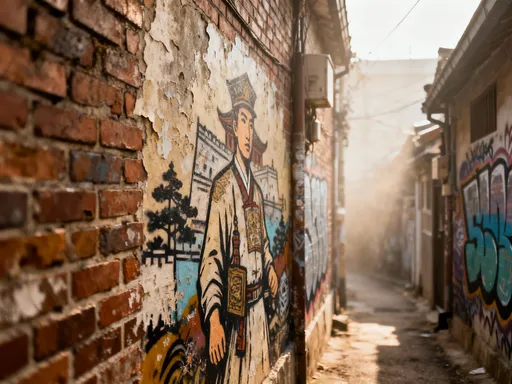
The murals here are more than decoration; they narrate the area’s evolution. Some depict early 20th-century laborers unloading ships, while others celebrate local legends or reimagine historical scenes with surreal flair. The contrast between aged architecture and bold graffiti creates compelling visual tension—perfect for photographers seeking depth and contrast. A single frame might capture peeling paint on a colonial-era wall, overlaid with a brightly colored mural of a woman in traditional hanbok riding a bicycle through a futuristic city. These juxtapositions are not accidental; they reflect Jemulpo’s identity as a place that honors its roots while embracing change.
Scattered among the art are small cafes housed in restored buildings, their windows framed by potted plants and hand-painted signs. These spaces offer quiet moments to rest and observe. Early morning visits reveal the best light—soft and golden—slanting across cobblestone paths and illuminating the textures of brick and mortar. Locals sip coffee on low stools, their presence adding warmth to the scene. For photographers, this human element is invaluable. It turns static compositions into living stories. A child chasing a balloon down an alley, a street musician tuning a guitar beneath a mural of birds in flight—these are the unscripted moments that define Jemulpo’s charm.
To make the most of a visit, arrive before 9 a.m. to avoid midday glare and occasional weekend crowds. Wear comfortable shoes, as the district is best explored on foot. Carry a wide-angle lens for architectural shots and a 50mm prime for intimate portraits—always with permission. Jemulpo doesn’t demand grand gestures; it rewards patience and presence. The best photographs here aren’t taken from a distance, but from within—standing in the alley, feeling the history, and letting the light guide the lens.
Incheon Chinatown: Flavor, Festivals, and Flashy Frames
If Jemulpo whispers history, Incheon Chinatown shouts celebration. As the only officially designated Chinatown in South Korea, it’s a sensory explosion of color, scent, and sound. Red lanterns stretch across streets like glowing garlands, and the air carries the sizzle of jajangmyeon—black bean noodles that have become a Korean-Chinese culinary icon. But beyond the food, the neighborhood is a visual feast. During festivals, dragon dances weave through the crowds, performers in elaborate costumes bring myth to life, and every storefront becomes a backdrop for vibrant street photography.
The annual Incheon Chinatown Festival, usually held in spring, is the pinnacle of this energy. Streets close to traffic, stages host traditional music and dance, and food stalls offer everything from steamed buns to candied fruits on sticks. The festival’s timing makes it ideal for photography—mild weather, clear skies, and natural backlighting during late afternoon. Crowds are lively but rarely overwhelming, allowing space to move and compose shots thoughtfully. Capturing the motion of a spinning dragon or the concentration on a noodle-pulling chef’s face requires quick reflexes, but the results are dynamic and full of life.
Yet the real artistry lies in avoiding clichés. It’s easy to fall into the trap of snapping postcard-perfect but soulless images—lanterns without context, food without people. Instead, the most powerful photographs tell stories. A grandmother teaching her granddaughter to fold dumplings. A vendor wiping sweat after hours of cooking. A couple sharing a meal under strings of lights, their laughter caught mid-moment. These are the frames that resonate, not because they’re technically perfect, but because they feel true.
To photograph respectfully, engage before you shoot. A smile, a nod, a simple “Can I take a photo?” in Korean (“사진 찍어도 될까요?”) goes a long way. Many locals appreciate the interest in their culture and will pose willingly. Avoid using flash in close quarters—it disrupts the mood and can be intrusive. Instead, rely on natural and ambient light, which in Chinatown is abundant and warm. Evening visits offer a different magic: the lanterns glow, neon signs flicker, and the streets take on a dreamlike quality. A tripod isn’t necessary, but a lens with a wide aperture (f/1.8 or lower) will help capture detail in low light.
Ganghwa Island: Ancient Stones and Golden Fields
Just an hour from central Incheon, Ganghwa Island offers a dramatic shift in pace and palette. Connected by bridge, this rural escape is a sanctuary of ancient history and seasonal beauty. It’s home to the Ganghwa Dolmen Site, a UNESCO World Heritage location featuring over 150 prehistoric stone tombs scattered across grassy hills. These megalithic structures, built over 3,000 years ago, stand as silent witnesses to Korea’s earliest civilizations. For photographers, they provide a powerful subject—timeless, weathered, and deeply rooted in the land.
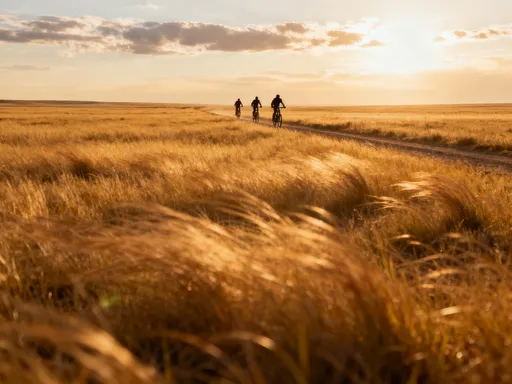
But Ganghwa is not just about the past. In spring, vast fields of canola flowers bloom in radiant yellow, creating a sea of gold that stretches to the horizon. The contrast between the bright flowers and the dark, moss-covered dolmens is striking—a visual metaphor for the coexistence of nature and history. By late summer, the landscape transforms again, with rice paddies turning lush and green, their mirrored surfaces reflecting the sky. Autumn brings a softer light, ideal for capturing the island’s quiet villages and stone-walled farmsteads.
The island’s diverse terrain supports multiple photographic styles. Wide-angle lenses excel at capturing sweeping landscapes, while macro settings reveal the intricate patterns of lichen on ancient stones or dewdrops on flower petals. Early morning is the most rewarding time to shoot. Mist often lingers over the fields, softening edges and adding a layer of mystery. By mid-morning, the sun lifts the veil, revealing crisp details and vibrant colors. Late afternoon light, especially in spring and autumn, bathes the island in a warm, golden hue—perfect for portraits or environmental shots.
Getting there is straightforward. Regional buses depart from Incheon Station, and rental cars are available for those who want flexibility. While some sites have small admission fees, most outdoor areas are free to access. Comfortable walking shoes are essential, as many dolmens are reached via dirt paths. A light jacket is advisable, even in summer, as coastal breezes can be cool. Most importantly, approach the island with reverence. These sites are not just scenic—they are sacred to many. Avoid climbing on the dolmens or disturbing the surroundings. The best photographs honor the space, capturing its essence without intrusion.
Traditional Performances: Capturing Motion and Meaning
Incheon’s cultural calendar is rich with live performances that blend music, dance, and storytelling. Among the most captivating are namsadang shows—traditional itinerant troupes that once traveled the countryside entertaining villages. These performances include tightrope walking, puppetry, and rhythmic drumming, all delivered with theatrical flair. Equally powerful is samulnori, a percussion ensemble featuring four traditional instruments: the kkwaenggwari (small gong), jing (large gong), janggu (hourglass drum), and buk (barrel drum). The energy is infectious, the rhythms complex, and the visual impact undeniable.
Photographing these performances requires a balance of technical skill and cultural sensitivity. Fast shutter speeds (1/500 sec or higher) are essential to freeze motion, especially during drumming or acrobatic sequences. However, slightly slower speeds (1/125 sec) can convey movement through intentional blur—such as the arc of a drumstick mid-swing. Continuous shooting mode helps capture fleeting expressions: a performer’s focused gaze, a burst of laughter during a comedic skit, or the tension in a tightrope walker’s stance.
Natural lighting is often used in outdoor festivals, so positioning is key. Arrive early to scout angles with even illumination and minimal backlighting. Indoor venues like the Incheon Culture & Arts Center typically allow photography, but flash is usually prohibited. Check signage or ask staff before shooting. When in doubt, observe what others are doing—local etiquette often speaks louder than rules.
Beyond technique, the goal is to capture meaning. A photo of a drummer mid-performance is striking, but one that includes the audience’s rapt faces tells a fuller story. These traditions are not museum pieces—they are living, evolving art forms. By photographing them with respect, you contribute to their preservation. Many festivals publish schedules online months in advance, so planning ahead ensures you don’t miss key events. Whether at a spring folk festival or a summer night concert in the park, these performances offer a chance to witness culture in motion—and to record it with both clarity and care.
Hidden Hanok Villages: Korea’s Timeless Aesthetic
While Seoul’s Bukchon Hanok Village draws long lines and selfie sticks, Incheon offers quieter, equally enchanting alternatives. Songwol-dong Fairy Tale Village is one such gem—a hillside neighborhood where traditional Korean houses have been painted with whimsical murals of童话 (fairy tales). Think Cinderella’s carriage, Little Red Riding Hood in the woods, and stars twinkling on rooftops. At first glance, it feels like fantasy, but beneath the color lies the structure of authentic hanok—curved tiled roofs, wooden beams, and courtyard layouts that reflect centuries of Korean design.
This blend of tradition and imagination creates a unique photographic opportunity. The soft curves of the roofs contrast with the bold, cartoonish artwork, resulting in images that are both nostalgic and playful. Morning light, filtering through the trees and casting long shadows, enhances the dreamlike quality. Because the village is residential, it’s important to be mindful of privacy. Stick to public walkways, avoid knocking on doors, and refrain from using zoom lenses to capture private moments. The beauty here is in the shared spaces—the painted stairs, the flower boxes, the winding paths that offer framed views of the city below.
Another serene option is the hanok area within Jayu Park, near old Incheon. Less touristy and more contemplative, this section features restored traditional homes set among trees and streams. In autumn, the surrounding foliage turns crimson and gold, framing the white-walled houses in a seasonal embrace. The quiet atmosphere makes it ideal for reflective photography—close-ups of wooden doors, textures of plaster walls, or a single leaf resting on a stone path. These details, when composed with care, evoke a sense of stillness and continuity.
To avoid crowds, visit on weekday mornings. A polarizing filter can help manage reflections on wet surfaces after rain, and a lightweight tripod allows for long exposures in shaded areas. Most importantly, slow down. These villages are not backdrops for quick snaps, but spaces to linger in. The best images emerge not from rushing, but from waiting—for the right light, the right shadow, the quiet moment when the world holds its breath.
Photography Tips & Ethical Shooting in Cultural Spaces
Great travel photography isn’t just about gear or settings—it’s about mindset. In culturally rich spaces, the responsibility to document respectfully is as important as the desire to capture beauty. Natural light should be your primary tool. Harsh midday sun creates unflattering contrasts, while early morning and late afternoon offer soft, directional light that enhances texture and depth. Position yourself to use side lighting for architectural details and backlighting for silhouettes during festivals or performances.
Lens choice matters, but intention matters more. A 35mm or 50mm prime lens encourages proximity and connection, while a zoom lens allows discretion in crowded or sensitive settings. Whatever you use, prioritize authenticity over perfection. A slightly blurred image of a laughing child is often more powerful than a technically flawless but emotionally empty shot.
Always ask permission when photographing people, especially in intimate or ceremonial contexts. In Korean culture, direct eye contact and smiling before asking can help ease tension. If someone declines, accept it gracefully—no image is worth discomfort. In sacred or quiet spaces like temples or historical sites, silence your camera’s shutter sound and avoid using tripods if they obstruct pathways.
Remember, photography is a form of storytelling. The most memorable images don’t just show a place—they convey a feeling. A wrinkled hand holding a teacup. A musician lost in rhythm. A field of flowers stretching into mist. These moments, captured with care, become more than souvenirs—they become connections. When done ethically, photography honors the culture it portrays, creating a bridge between viewer and subject, traveler and community.
Conclusion: Why Incheon Should Be on Every Traveler’s Lens List
Incheon doesn’t shout for attention. It doesn’t need to. Its power lies in its quiet confidence, its layered identity, and its willingness to reveal itself slowly. For photographers and travelers alike, this city offers something increasingly rare: authenticity without performance, beauty without pretense. It’s a place where culture isn’t staged for visitors, but lived every day—in the alleys of Jemulpo, the festivals of Chinatown, the ancient fields of Ganghwa Island.
What makes Incheon truly special is not just what you can see, but how it makes you see. It encourages a slower, more intentional way of traveling—one that values connection over collection, feeling over filters. The best photographs aren’t taken with the most expensive camera, but with the most open heart. They emerge from moments of presence: standing in a quiet village at dawn, watching a performer lose themselves in rhythm, or sharing a smile with a vendor who’s been making dumplings for thirty years.
As you plan your next journey, consider stepping beyond the expected. Let Incheon be your lens into a Korea that’s often missed. Explore not to check boxes, but to discover. Shoot not for likes, but for legacy. Because in the end, the images we carry home aren’t just of places—they’re of the moments that changed us. And in Incheon, those moments are waiting, quiet and bright, just beyond the airport’s shadow.