Wild Secrets of the Maasai Mara: How to Truly Connect with the Wild
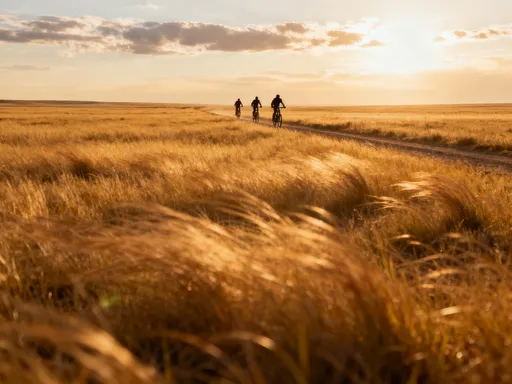
You know that heart-pounding moment when the sun rises over the savanna and a lion’s roar echoes in the distance? The Maasai Mara isn’t just a reserve—it’s alive. I’ve wandered its golden grasslands more times than I can count, and each visit taught me something new. This isn’t just about spotting the Big Five; it’s about how you move through this wild, sacred space. Let me show you how to experience the Mara like more than just a tourist.
Why the Maasai Mara Stands Apart
The Maasai Mara National Reserve in southwestern Kenya is more than a wildlife sanctuary—it is one of the last great strongholds of Africa’s untamed wilderness. Spanning approximately 1,510 square kilometers, it forms a vital part of the larger Serengeti-Mara ecosystem, a transboundary landscape shared with Tanzania’s Serengeti National Park. What sets the Mara apart is not only its staggering concentration of wildlife but also the annual Great Migration, a natural spectacle unmatched in scale and drama. Over 1.5 million wildebeest, accompanied by hundreds of thousands of zebras and Thomson’s gazelles, traverse this ecosystem in a continuous loop driven by rainfall and grazing needs. The Mara River crossings, where herds brave crocodile-infested waters, are among the most intense wildlife events on Earth.
Beyond the migration, the Mara supports a year-round abundance of predators and prey. It hosts all of the Big Five—lion, leopard, elephant, buffalo, and black rhino—though the latter remains rare and carefully protected. Unlike many other reserves that focus solely on conservation through exclusion, the Maasai Mara thrives on coexistence. The land is traditionally owned by the Maasai people, a semi-nomadic community whose cultural practices have long emphasized harmony with nature. Their deep-rooted stewardship has shaped the reserve’s unique character, blending ecological preservation with cultural continuity. This partnership between people and wildlife is increasingly recognized as essential to long-term sustainability.
Conservation efforts in the Mara have evolved to include community-based models that empower local landowners. Private conservancies adjacent to the reserve, often formed through lease agreements with Maasai group ranches, have become critical buffers against habitat fragmentation. These areas limit vehicle numbers, ban off-road driving, and prioritize low-impact tourism. As a result, they offer a more intimate and ecologically responsible safari experience. The Mara’s success lies in this balance: it is not a museum of nature frozen in time, but a living, breathing system where wildlife, people, and conservation goals intersect. For travelers seeking authenticity, this integration of culture and ecology makes the Maasai Mara not just exceptional—but irreplaceable.
Choosing the Right Time to Visit
Timing is everything when planning a journey to the Maasai Mara. While the reserve offers remarkable wildlife viewing throughout the year, the rhythm of the Great Migration defines its seasonal peaks. The most sought-after period runs from July to October, when vast herds of wildebeest and zebra arrive from the Serengeti in search of fresh grass. These months bring the dramatic river crossings—heart-stopping events where thousands of animals plunge into the Mara River, facing strong currents and waiting Nile crocodiles. The spectacle draws photographers and wildlife enthusiasts from around the world, making it the busiest tourist season.
Despite the excitement, visiting during peak months means navigating higher prices, fuller camps, and more crowded game drives. Popular crossing points can attract multiple safari vehicles, sometimes compromising the sense of solitude and immersion. For those seeking a quieter experience without sacrificing wildlife action, the shoulder months of June and October present an ideal compromise. In June, the herds are just beginning their northward movement, offering excellent viewing with fewer tourists. By October, the migration starts its return journey, and while the crossings are less frequent, predator activity remains high as lions, hyenas, and cheetahs take advantage of vulnerable animals.
The green season, from November to May, is often overlooked but holds its own magic. After the short rains in November and December, the landscape transforms into lush greenery, dotted with wildflowers. This period sees the calving season for wildebeest and gazelles, which in turn attracts predators. Birdwatchers will especially appreciate these months, as migratory species from Europe and Asia arrive, increasing the total bird count to over 500 species. Though afternoon showers are common, they are usually brief, and the light is superb for photography. With lower accommodation rates and fewer visitors, the green season offers exceptional value and a deeper connection to the natural rhythms of the Mara.
Picking Your Perfect Sector Within the Reserve
The Maasai Mara is not a monolithic wilderness—it is a mosaic of distinct regions, each offering unique advantages depending on your travel goals. Understanding these zones can dramatically enhance your experience. The Mara Triangle, located in the western part of the reserve, is often considered the crown jewel. Bounded by the Mara River and the Oloololo Escarpment, it features open plains, reliable water sources, and excellent game density. Because it limits the number of daily visitors and enforces strict conservation rules, it tends to be less crowded than other areas. The Triangle is particularly renowned for its big cat sightings, including tree-climbing lions and elusive leopards resting in acacia branches.
The Central Mara, accessible via the main Sekenani Gate, is the most visited area due to its proximity to many lodges and camps. It offers consistent wildlife viewing and is well-suited for first-time visitors. However, its popularity can lead to congestion during peak season, especially around major watering holes and road crossings. For travelers seeking a more exclusive experience, the Eastern Conservancies—such as Naboisho, Olare Motorogi, and Mara North—offer a transformative alternative. These community-owned lands border the eastern edge of the reserve and operate under strict eco-tourism guidelines. They allow off-road driving, night game drives, and walking safaris, activities prohibited inside the national reserve.
Staying in a conservancy means fewer vehicles, more personalized attention, and a stronger sense of immersion in the landscape. Many conservancy camps are designed to blend into the environment, using sustainable materials and solar power. Because tourism revenue directly supports Maasai landowners, your stay contributes to both conservation and community development. While access requires a short game drive through the reserve or a light aircraft transfer, the benefits far outweigh the extra effort. Whether you prioritize iconic views, predator encounters, or cultural connection, selecting the right sector ensures your safari aligns with your values and expectations.
How to Move Through the Landscape: Safari Styles That Matter
How you explore the Maasai Mara shapes what you feel as much as what you see. The traditional game drive—typically conducted in the early morning and late afternoon—remains a cornerstone of the safari experience. Open-sided 4x4 vehicles provide unobstructed views and the ability to traverse rough terrain. Led by experienced guides and trackers, these drives allow close observation of animal behavior, from a pride of lions lounging in the shade to a herd of elephants teaching their young how to use their trunks. The expertise of local guides is invaluable; their knowledge of animal tracks, vocalizations, and seasonal patterns turns a casual sighting into a meaningful encounter.
For a deeper connection, consider a walking safari. Though not permitted inside the national reserve, many private conservancies offer guided walks led by armed rangers. Moving on foot changes your relationship with the environment. Without the noise and height of a vehicle, your senses sharpen. You notice the texture of animal dung, the rustle of a skink in the grass, the scent of wild sage in the air. A walk might bring you within safe distance of a rhino trail or a giraffe browsing on acacia leaves. These moments cultivate patience and presence, reminding you that you are a guest in this ecosystem, not a passive observer.
Another transformative option is a hot-air balloon safari, which departs before dawn and floats silently over the plains. From above, the scale of the Mara unfolds—the patchwork of grasslands, rivers, and woodlands, dotted with wildlife too numerous to count. After landing, a champagne breakfast is traditionally served in the bush, marking one of the most memorable mornings of any trip. While this experience comes at a premium, it offers a rare perspective that complements ground-level exploration. Each mode of travel—driving, walking, flying—invites a different kind of awareness. Together, they create a fuller, more layered understanding of this extraordinary landscape.
What to Pack (and What to Leave Behind)
Packing for the Maasai Mara requires thoughtfulness, not excess. The climate is generally mild, with warm days and cool evenings, especially in the early morning and at higher altitudes. Lightweight, neutral-colored clothing—khaki, beige, or olive green—is ideal. Bright colors and strong perfumes should be avoided, as they can disturb wildlife or attract insects. Long sleeves and pants provide protection from the sun and reduce the risk of insect bites. A wide-brimmed hat, sunglasses, and high-SPF sunscreen are essential for comfort during extended game drives.
Footwear should be comfortable and closed-toe—walking boots or sturdy sneakers are best for walking safaris and uneven terrain. A light fleece or jacket is recommended for chilly mornings and evenings. Don’t forget a reusable water bottle; staying hydrated is crucial, and many camps now discourage single-use plastics. For photography, a zoom lens (70–300mm) is ideal for capturing animals at a distance without disturbing them. A polarizing filter helps reduce glare on vehicle windows, and extra batteries or a portable charger are wise investments, as power sources may be limited in remote camps.
Health essentials include malaria prophylaxis (consult your physician before travel), insect repellent with DEET, and a basic first-aid kit. Most lodges provide toiletries, but eco-conscious travelers may prefer to bring biodegradable soap and shampoo to minimize environmental impact. It’s also respectful to pack items that support cultural sensitivity—avoid clothing with offensive slogans or imagery, and be mindful when photographing Maasai people. Always ask permission before taking pictures. Above all, leave behind anything that disrupts the peace of the wilderness: loud electronics, plastic waste, or the expectation of convenience. What you carry should reflect reverence for the land and its people.
Responsible Travel: Respecting the Reserve and Its People
True connection with the Maasai Mara begins with responsibility. Every visitor has an impact, and conscious choices can help preserve this fragile ecosystem for future generations. One of the most important principles is maintaining a safe and respectful distance from wildlife. Park regulations require vehicles to stay at least 20 meters from animals, and off-road driving is prohibited in the national reserve. These rules exist to prevent stress to animals and protect the soil and vegetation. Even when excitement builds around a rare sighting, patience and discipline ensure that the experience remains ethical and sustainable.
Choosing eco-friendly accommodations is another powerful way to contribute. Many lodges and camps in the Mara have adopted solar energy, rainwater harvesting, and waste recycling programs. Some are entirely carbon-neutral or certified by international sustainability standards. By supporting these properties, travelers help fund conservation and reduce environmental harm. Equally important is supporting the local Maasai community. Opt for guided cultural visits that are community-led and fairly compensated. Purchase authentic crafts directly from artisans rather than mass-produced souvenirs. These interactions should be based on mutual respect, not performance or exploitation.
Responsible travel also means minimizing waste. Carry reusable containers, refuse single-use plastics, and follow the “leave no trace” ethic. Avoid littering, even with organic materials like fruit peels, which can introduce non-native seeds. Refrain from feeding animals or attempting to touch them—no matter how tame they may appear. Finally, recognize that the Mara is not a theme park but a living ecosystem where survival is constant and often harsh. Witnessing a hunt or a kill is part of nature’s balance, not a spectacle to be judged. When travelers approach the Mara with humility and care, they become stewards of its legacy.
Beyond the Drive: Moments That Stay With You
Some of the most profound experiences in the Maasai Mara happen in stillness. Imagine sitting on a grassy rise at sunset, a warm blanket around your shoulders, as the sky blazes in hues of amber and violet. The engines are off. The only sounds are the distant call of a hyena and the rustle of a hare in the underbrush. This is the magic of a sundowner—a quiet pause in the bush that allows the soul to settle. In these moments, the boundary between observer and observed begins to dissolve. You are no longer just watching nature; you are part of it.
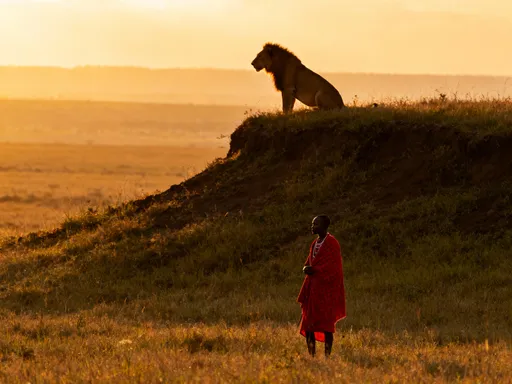
Other memories linger for a lifetime: the focused gaze of a cheetah before she bursts into a 70-kilometer-per-hour sprint; the low rumble of elephants communicating through vibrations in the ground; the sight of a Maasai elder, his red shuka flowing in the wind, sharing stories passed down for generations. These are not photo opportunities—they are invitations to presence. They ask you to slow down, to listen, to witness without agenda. A child laughing as a butterfly lands on her hand, a herd of buffalo moving like shadows at dusk, the first stars appearing over the escarpment—these are the details that imprint themselves on the heart.
Such moments are not guaranteed. They arise from openness, patience, and a willingness to be surprised. They remind us that travel is not about collecting destinations but about deepening awareness. In the Maasai Mara, the wild does not perform for you—it reveals itself to those who pay attention. When you set aside distraction and embrace the rhythm of the land, you begin to understand what it means to truly connect. This is not a place you conquer with your camera or checklist. It is a place that changes you, quietly and completely.
Conclusion
The Maasai Mara rewards those who come with respect, curiosity, and the right approach. It’s not just about what you see—it’s about how you see it. When you travel with intention, the wild doesn’t just reveal itself; it welcomes you in. From the thunder of hooves during the Great Migration to the whisper of grass in the wind, every element of this landscape invites deeper understanding. By choosing the right time, the right place, and the right mindset, you transform a safari from a sightseeing tour into a soulful journey.
Responsible choices—supporting community conservancies, respecting wildlife boundaries, and engaging with local culture—ensure that your visit leaves a positive mark. The Mara’s future depends on travelers who value preservation over convenience, connection over conquest. As the sun sets behind the Oloololo Escarpment and the first stars pierce the twilight, you may find yourself changed. The roar of the lion is no longer just a sound—it is a call. And in answering it with mindfulness and care, you become part of the story of this extraordinary place. The Maasai Mara does not belong to us. But for a brief, beautiful moment, it lets us belong to it.